
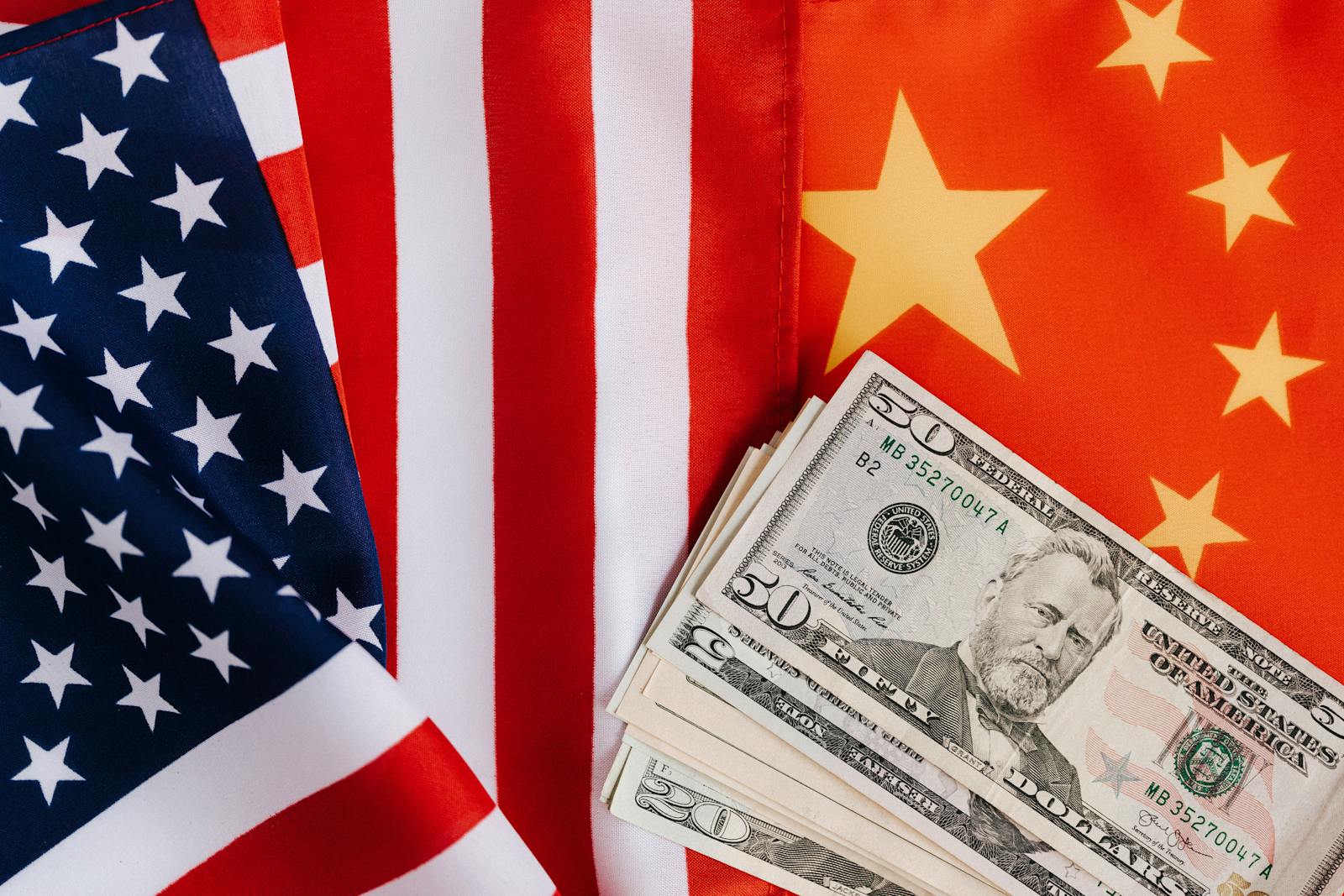
The United States has made a direct appeal to China. Help reopen the Strait of Hormuz. Help restore global energy flows. The strait has been effectively closed for over two months, choking off 20% of global seaborne oil. Prices have skyrocketed. Economies are straining.
Washington is asking Beijing to use its influence with Iran to end the blockade.
But will China really step in? And if it does, what would be in it for them?
Here is what is at stake.
THE SHORT ANSWER
China is unlikely to help the US reopen the Strait of Hormuz unless it gets something significant in return. The relationship between Washington and Beijing is adversarial, not cooperative. China has been buying discounted Iranian oil throughout the blockade. It has no incentive to restore normal flows that would raise prices for itself.
However, China also does not want a wider war. If the situation escalates dangerously, Beijing might intervene to stabilize the strait, but on its own terms and for its own reasons, not as a favor to the US.
Do not expect China to rush to America’s aid. The most likely outcome is continued Chinese inaction, continued high oil prices, and continued tension.
WHY THE US IS ASKING CHINA
The US controls the strait militarily. The Navy has enforced a blockade on Iranian ports since the war began. But military power alone cannot resolve the underlying issue. Iran closed the strait in retaliation for US and Israeli strikes. Iran will only reopen it if it gets something in return.
China has influence with Iran that the US does not. China is Iran’s largest trading partner. It buys Iranian oil. It invests in Iranian infrastructure. It sells Iran weapons and technology. Iran listens to China, even if it does not always obey.
The US is asking China to pressure Iran to lift the blockade. Essentially, Washington wants Beijing to solve a problem that Washington created.
WHY CHINA MIGHT SAY NO
The reasons for Chinese refusal are strong.
China benefits from cheap Iranian oil. Iran sells oil to China at a discount. The blockade keeps global prices high, but Chinese purchases continue through covert channels (shadow tankers, ship-to-ship transfers, falsified manifests). China pays less than Europe or Japan. Why would it want to change that?
China opposes US unilateralism. Beijing views the US-Iran war as an American adventure. China did not cause the conflict. It does not feel responsible for fixing it. Helping the US now would be seen as endorsing US military action against Iran. That undermines China’s long-standing policy of opposing foreign intervention.
China wants the US distracted. A US-Iran conflict ties down American naval assets, intelligence resources, and diplomatic attention. That is good for China. It reduces US focus on the South China Sea, Taiwan, and trade. Why would China help the US refocus on Asia?
Trust is zero. The US and China are strategic competitors. Neither trusts the other. China has no guarantee that helping the US now would lead to any future cooperation on issues China cares about.
WHY CHINA MIGHT SAY YES
There are reasons to help, even if they are not obvious.
China does not want a wider war. A full-scale US-Iran war could spiral. The Gulf could become a shooting war. Oil infrastructure could be destroyed. Global recession could follow. China’s economy depends on stable energy prices and global trade. A major escalation would hurt China badly.
China wants to be seen as a responsible power. Beijing has invested heavily in its image as a global leader, in contrast to US recklessness. Helping to stabilize the strait would enhance that image. It would show that China is a force for stability, not chaos.
China could extract concessions. Beijing will not help for free. The US could offer something in return: reduced tariffs, cooperation on technology, or a softer stance on Taiwan. If the price is right, China might deal.
WHAT CHINA WOULD WANT IN RETURN
If China helps, it will demand payment.
Lifting of some US sanctions on Chinese companies. The US has sanctioned Chinese firms for buying Iranian oil. China would want those sanctions lifted as a show of good faith.
A seat at the table on Middle East security. China has been excluded from US-led efforts in the region. Helping with the strait would force the US to include China in future negotiations.
Trade concessions. The US-China trade war is ongoing. Beijing could demand tariff reductions or technology transfer approvals.
A softer US line on Taiwan. This is China’s red line. If the US wants Chinese help in the Gulf, it might need to stop selling weapons to Taiwan or issuing statements that China views as provocative.
These are heavy demands. The US may not be willing to pay.
WHAT HAPPENS IF CHINA SAYS NO
The most likely scenario is Chinese inaction.
The US will continue to control the strait militarily. Iran will continue the blockade. Oil prices will remain high. Talks will continue, with Pakistan mediating, but progress will be slow.
China will continue buying Iranian oil through covert channels. It will issue statements calling for peace and diplomacy. It will do nothing concrete to change the situation.
The US will accuse China of being uncooperative. China will accuse the US of creating the crisis. Nothing will be resolved.
WHAT HAPPENS IF CHINA SAYS YES
A genuine Chinese intervention could break the deadlock.
China would pressure Iran to lift the blockade. Iran would need something in return: sanctions relief, access to foreign exchange, or a face-saving compromise. China could broker that deal.
The strait would reopen. Oil prices would drop. The global economy would breathe easier. The US would claim victory. China would claim credit. The ceasefire would become more stable.
This outcome is possible. It is not likely.
THE BOTTOM LINE
The US has called on China to help reopen the Strait of Hormuz.
Will China really help? Probably not. China benefits from cheap Iranian oil and a distracted US. It has little incentive to rescue its rival from a self-inflicted crisis.
What would it take? Significant concessions from the US on trade, sanctions, and Taiwan. Washington may not be willing to pay that price.
What happens if China says no? The blockade continues. Oil prices stay high. Tensions remain. The stalemate persists.
What happens if China says yes? The strait could reopen. Prices could drop. The crisis could de-escalate.
China holds leverage it rarely has. The US needs something from Beijing. That almost never happens. How Washington plays this hand will determine whether the strait stays closed or opens.
What do you think – should the US offer China concessions to resolve the crisis? Drop your take below. 🇺🇸🇨🇳