
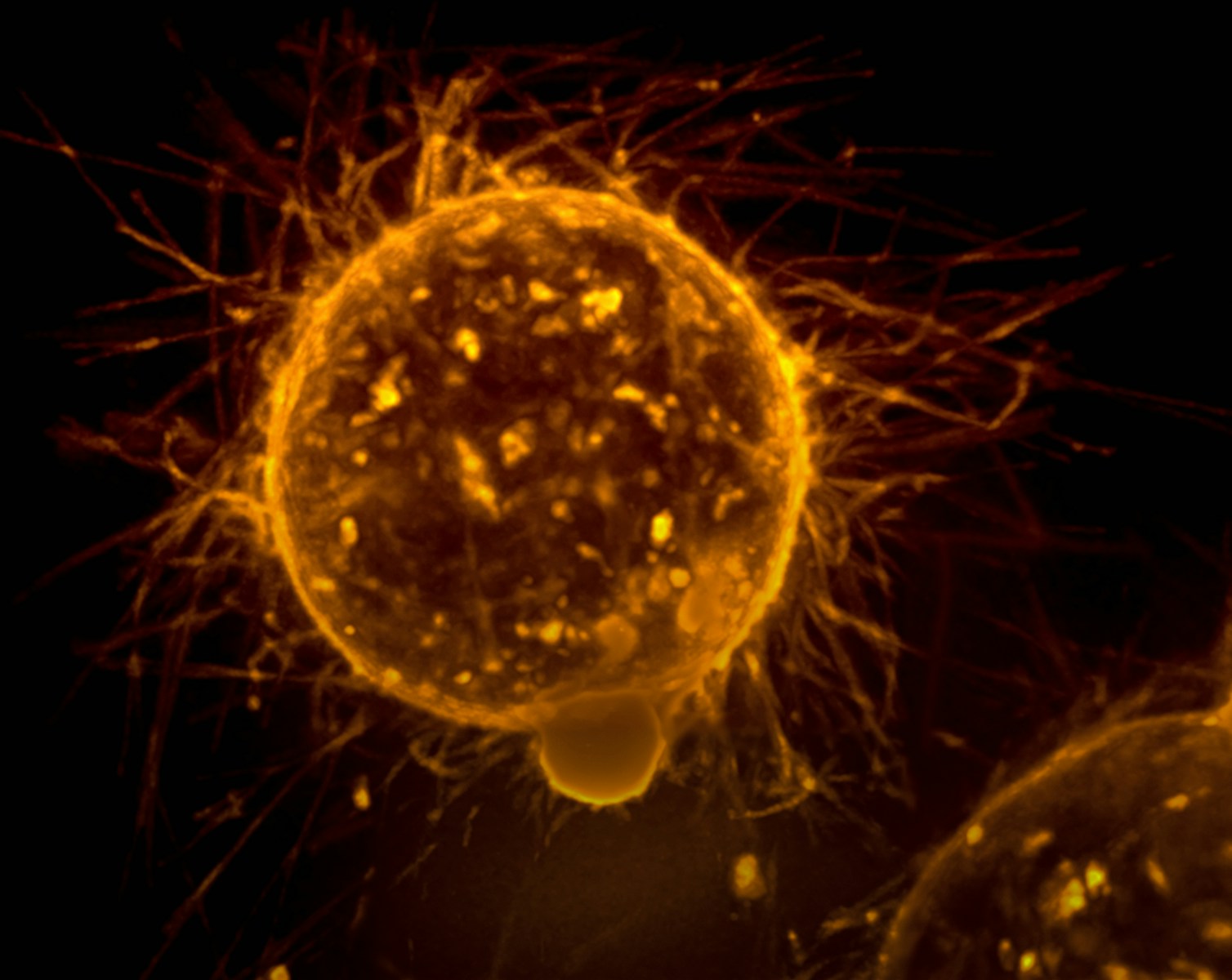
A Nobel Prize was awarded for discovering something remarkable. Your body eats its own damaged cells when it does not receive food. The scientist behind the discovery is Yoshinori Ohsumi, a Japanese biologist who won the Nobel Prize in Physiology or Medicine in 2016.
The process is called autophagy. It is ancient. It is essential. And it is triggered by fasting.
The viral quote captures the essence of the discovery. When you stop eating, your body begins a deep cleaning process. It hunts down damaged cells, broken proteins, and malfunctioning parts. It breaks them down. It recycles the components for energy and repair.
Here is what autophagy actually is, how fasting activates it, and how you can use this knowledge to improve your health.
THE SHORT ANSWER
Autophagy means “self-eating.” It is your body’s cellular recycling system. When nutrients are scarce, your cells clean house. They identify damaged components. They wrap them up. They deliver them to the lysosome, which acts like a cellular stomach. The contents are broken down and recycled.
Fasting is the most powerful natural trigger of autophagy. Without incoming food, your body shifts from growth mode to maintenance mode. It stops building new tissue and starts repairing old tissue. Damaged cells are cleared out. Inflammation decreases. Cellular function improves.
You cannot force autophagy with pills or supplements. You trigger it by not eating. The longer you fast, the deeper the cleaning. The benefits are real. The science is solid. The Nobel Prize confirmed it.
WHAT IS AUTOPHAGY?
The word autophagy comes from Greek. Auto means self. Phagy means eating.
The process was first described in the 1960s. But the molecular mechanisms remained mysterious until Yoshinori Ohsumi’s work in the 1990s. He used baker’s yeast to identify the genes responsible for autophagy. His discoveries opened an entirely new field of medicine.
How it works:
A cellular structure called the phagophore forms around damaged organelles or misfolded proteins. It seals shut, creating a double-membrane sac called the autophagosome. The autophagosome travels to the lysosome, which is filled with digestive enzymes. The two structures fuse. The contents are broken down into amino acids, fatty acids, and simple sugars. These building blocks are released back into the cell to be reused.
What is cleaned up:
Old mitochondria (the power plants of the cell)
Misfolded proteins that can clump together and cause disease
Damaged endoplasmic reticulum
Invading bacteria and viruses
Toxic aggregates linked to neurodegenerative diseases
Without autophagy, cellular junk accumulates. Cells stop working properly. Tissues degenerate. Diseases develop.
WHAT DID YOSHINORI OSHUMI DISCOVER?
Ohsumi did not discover autophagy. He discovered the genes that control it.
He chose baker’s yeast as his model organism. Yeast cells have a vacuole that functions like a human lysosome. He mutated yeast genes randomly and then starved the cells. He looked for cells that failed to form autophagosomes. Those cells had broken genes.
He identified fifteen genes essential for autophagy. He then showed that the same genes exist in humans. His work provided the tools for scientists to study autophagy in health and disease.
For this discovery, he received the Nobel Prize in 2016. The Nobel Committee stated that his work opened the path to understanding the importance of autophagy in many physiological processes, including adaptation to starvation, infection, immunity, and aging.
HOW DOES FASTING TRIGGER AUTOPHAGY?
Autophagy is always happening at a low level. Your cells are constantly cleaning house. But fasting dramatically accelerates the process.
The mechanism:
When you eat, your body releases insulin. Insulin signals your cells that nutrients are available. Your cells switch to growth mode. They build new proteins. They store energy. Autophagy is suppressed.
When you fast, insulin levels drop. Another hormone called glucagon rises. Glucagon signals that nutrients are scarce. Your cells switch to maintenance mode. They stop building. They start cleaning. Autophagy ramps up.
The timeline:
Twelve hours of fasting: Autophagy begins to increase.
Twenty-four hours: Autophagy is significantly elevated.
Forty-eight to seventy-two hours: Autophagy reaches peak levels.
Beyond three days: Autophagy remains high while the body shifts to ketosis.
The exact timing varies by individual. But the pattern is consistent. Fasting turns on the cellular cleaning crew.
WHAT ARE THE BENEFITS OF AUTOPHAGY?
The benefits are extensive and well-documented.
Reduced inflammation. Autophagy clears out damaged mitochondria that release inflammatory signals. Less junk means less inflammation.
Improved immune function. Autophagy helps your immune cells fight infections. It also clears out worn-out immune cells that no longer function properly.
Protection against neurodegenerative disease. Misfolded proteins accumulate in Parkinson’s and Alzheimer’s disease. Autophagy clears these toxic aggregates.
Cancer prevention. Autophagy removes damaged DNA and malfunctioning organelles that can lead to cancerous mutations. In established cancers, however, autophagy can help tumors survive. The relationship is complex.
Anti-aging effects. Accumulated cellular damage is a hallmark of aging. Autophagy reverses some of that damage. Animal studies show that enhanced autophagy extends lifespan.
Metabolic health. Autophagy improves insulin sensitivity and reduces fat accumulation in the liver.
HOW CAN YOU USE FASTING TO TRIGGER AUTOPHAGY?
You do not need to starve yourself for days. Even intermittent fasting protocols trigger meaningful autophagy.
Method one: Time-restricted eating.
Eat all your meals within an eight to ten hour window. Fast for the remaining fourteen to sixteen hours. This daily fast is enough to elevate autophagy. Most people can do this easily.
Method two: Twenty-four hour fasts.
Once or twice per week, eat dinner one day and skip all food until dinner the next day. You will fast for about twenty-four hours. This significantly boosts autophagy.
Method three: Longer fasts.
Fasting for forty-eight to seventy-two hours once per month or once per quarter produces deeper autophagy. This is more challenging. Medical supervision is recommended for fasts longer than three days.
Method four: Fasting mimicking diets.
Special low-calorie, low-protein meal plans simulate fasting without complete food restriction. These diets trigger autophagy while allowing small amounts of food.
What breaks the fast for autophagy: Any calories will suppress autophagy to some degree. Protein has the strongest suppressive effect. Fat has a weaker effect. Water, black coffee, and plain tea do not break the fast for autophagy purposes.
WHAT AUTOPHAGY DOES NOT DO
The viral quote captures a real discovery. It also oversimplifies.
Autophagy is not weight loss. Fasting causes weight loss. Autophagy is separate. You can trigger autophagy without losing significant weight through intermittent fasting.
Autophagy is not a cure for established disease. It prevents damage. It may slow progression. It does not reverse late-stage Alzheimer’s or Parkinson’s.
Autophagy is not a replacement for medical treatment. Do not fast to treat cancer. Do not fast to treat infections. Follow your doctor’s advice.
More autophagy is not always better. Too much autophagy can damage healthy cells. The goal is balanced autophagy, not maximum autophagy.
THE BOTTOM LINE
Yoshinori Ohsumi won the Nobel Prize for discovering the genes that control autophagy. His work revealed how the body eats its own damaged cells when it does not receive food.
What is autophagy: A cellular cleaning and recycling system that removes damaged components.
How to trigger it: Fasting. Insulin drops. Glucagon rises. Cells switch from growth to maintenance.
The timeline: Autophagy begins around twelve hours of fasting. Peaks at forty-eight to seventy-two hours.
The benefits: Reduced inflammation, improved immunity, protection against neurodegenerative disease, cancer prevention, anti-aging effects, and better metabolic health.
How to use it: Time-restricted eating, twenty-four hour fasts, longer fasts, or fasting mimicking diets.
The Nobel Prize confirmed what ancient fasting traditions knew intuitively. Sometimes the best thing you can do for your body is to stop feeding it. Let it clean house. Let it repair. Let it heal.
What do you think – will you try fasting to trigger autophagy? Drop your take below. ⏰🧬