
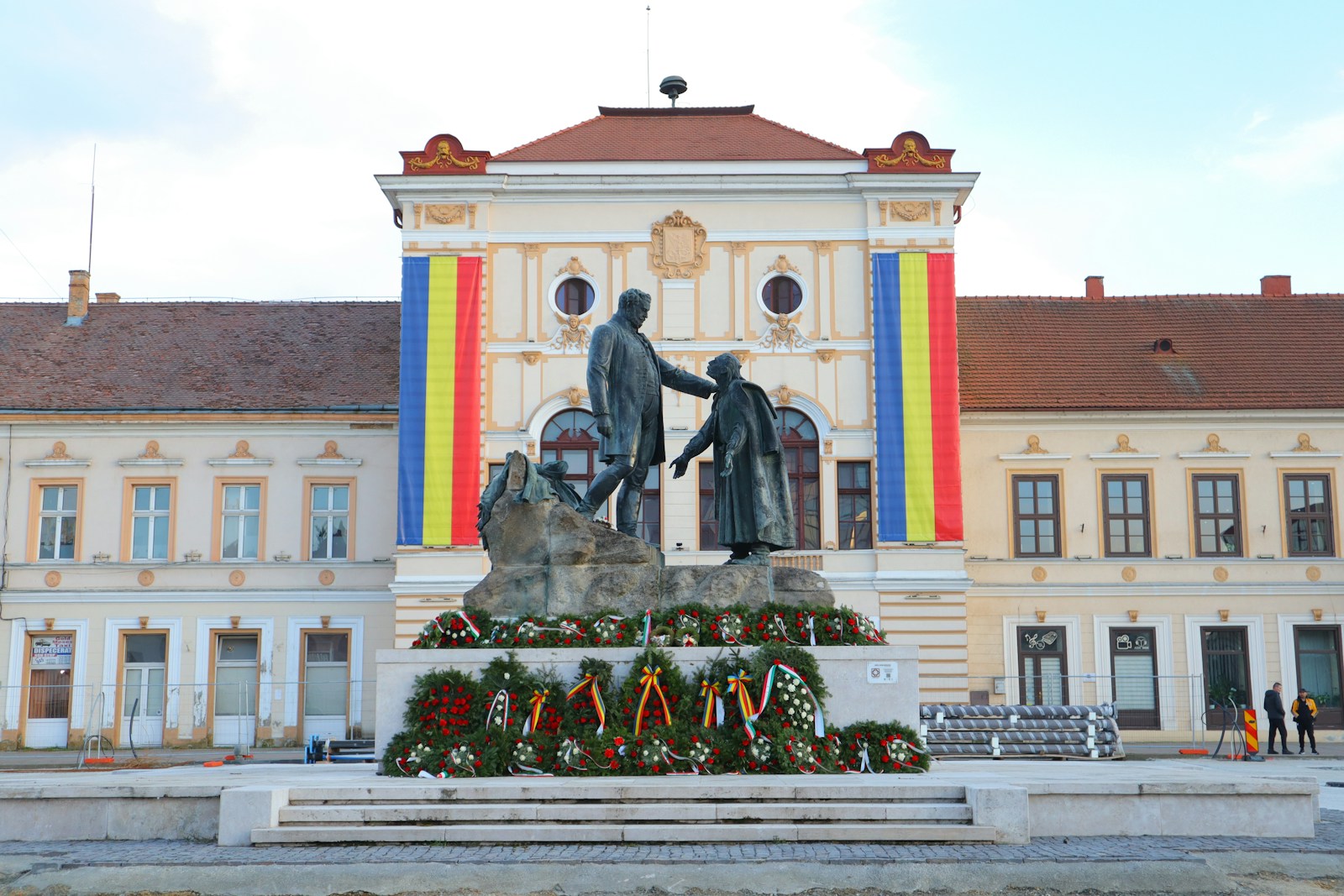
A government has fallen. Romania’s cabinet, led by Prime Minister Ilie Bolojan, lost a no-confidence vote in Parliament. The motion gathered 281 votes in favor, well above the 233 required.
The collapse happened on May 5, 2026. It was not a surprise. The political turmoil had been building for weeks. But the speed and finality are still striking.
Here is what actually happened, why the government fell, and what comes next for Romania.
THE SHORT ANSWER
Yes, it is true. The Romanian government led by Prime Minister Ilie Bolojan has collapsed after losing a no-confidence vote. The motion passed with 281 votes, well above the required 233. The government will now operate in an interim capacity with limited powers until a new executive is formed.
The collapse was triggered when the Social Democratic Party (PSD), the largest party in the ruling coalition, withdrew its support for Bolojan. PSD then joined forces with the far-right Alliance for the Union of Romanians (AUR) to bring down the government.
The immediate cause was disagreement over fiscal measures, budget deficits, and reforms. The deeper cause is chronic political instability in Romania, which has seen six governments fall through no-confidence votes in the post-communist era.
WHAT ACTUALLY HAPPENED
The timeline is clear.
Roughly 10 months ago: Bolojan’s government came to power. It was backed by a pro-European ruling coalition including PSD, PNL, USR, and UDMR. The coalition was formed amid a rise of far-right sentiment in Romania.
The breaking point: PSD repeatedly clashed with Bolojan over fiscal measures. The prime minister pushed for spending cuts, reduced bonuses, and reforms to pensions. PSD opposed these measures.
April 21, 2026: PSD voted almost unanimously (97.7%) to withdraw political support for Bolojan. PSD leader Sorin Grindeanu gave an ultimatum: resign or face withdrawal of all PSD ministers.
April 23, 2026: Bolojan refused to resign. PSD ministers and the party’s deputy prime minister resigned from government.
Last week: PSD joined forces with AUR and PACE – First Romania to file a no-confidence motion. Over 250 MPs signed it.
May 5, 2026: Parliament voted. 281 in favor. Government collapsed.
WHY DID THE GOVERNMENT FALL?
The official reasons are fiscal. The real reasons are political.
The budget deficit. Romania had a 9.3% budget deficit in 2024, the highest in the European Union. Bolojan inherited this from previous governments. He argued that he could not hide it and had to take painful measures to correct it.
Austerity measures. Bolojan cut public spending, reduced bonuses, and initiated reforms to magistrates’ pensions. These measures were unpopular with politicians who benefited from the old system.
Bolojan’s words: “We started correcting injustices and reducing state spending, and that upset local barons who could no longer treat the state budget as their personal piggy bank.”
PSD’s accusations: The no-confidence motion accused Bolojan of “destroying the economy,” “impoverishing the population,” and planning a “fraudulent sale of state assets.”
Bolojan’s response: He called the motion “false, cynical and artificial.” He said: “If the motion is true, where have you been until now? Haven’t you been in government? If it’s not true, I would be ashamed to sign such a thing.”
The real reason: PSD wanted to avoid unpopular austerity measures before upcoming elections. Bringing down the government allows them to campaign against Bolojan’s cuts while taking credit for forcing new elections.
WHAT HAPPENS NEXT
The government has collapsed. The process for forming a new government is now triggered.
Interim government: Bolojan’s cabinet will continue in an interim capacity with limited powers. They cannot make major policy decisions or pass new laws.
Presidential consultations: President Nicușor Dan will hold consultations with parliamentary parties to find a new prime minister.
New PM nomination: The president will nominate a prime minister. That person must seek a vote of confidence from Parliament.
Possible outcomes:
- New coalition: PSD, PNL, and USR could form a new government without Bolojan. This would keep the pro-European coalition intact but with a different leader.
- Early elections: If no coalition can be formed, Romania could head to early parliamentary elections. This is disruptive and uncertain.
- Far-right government: AUR could theoretically try to form a government. This is unlikely but not impossible. It would alarm Romania’s European allies.
President Dan’s statement: He said Romania will stay on its pro-Western path regardless of the no-confidence vote. That is a reassurance to EU and NATO partners.
WHY THIS MATTERS
Romania is not a small, irrelevant country. It is a NATO member on the eastern flank of the alliance, bordering Ukraine. Political instability in Bucharest matters.
EU funds. Romania risks losing access to EU funds if it cannot implement required reforms. The country is already close to receiving €2.6 billion under the Resilience Facility. That payment could be delayed.
Currency stability. The Romanian leu hit a new record low against the euro on the day of the no-confidence vote. The central bank spent up to €2 billion to steady the currency. Political instability has real economic costs.
Regional stability. Romania is a key ally in the Black Sea region. A prolonged political crisis would weaken NATO’s eastern flank at a time when the war in Ukraine is ongoing.
Far-right rise. AUR, the far-right party that co-sponsored the no-confidence motion, is gaining ground. A prolonged crisis could boost them further.
THE BOTTOM LINE
Yes, it is true. Romania’s government has collapsed.
What happened: Prime Minister Ilie Bolojan lost a no-confidence vote after his coalition partner PSD withdrew support and joined with the far-right to bring him down.
Why it happened: Disagreement over austerity measures. PSD did not want to implement painful spending cuts. Bolojan refused to resign. They forced him out.
What happens next: Interim government. Presidential consultations. New prime minister nomination. Possible new coalition or early elections.
Why it matters: EU funds are at risk. The currency is unstable. NATO’s eastern flank is vulnerable. The far-right is rising.
Bolojan’s warning is worth remembering: “I may leave, but the problems remain. They don’t leave with me.”
The problems are still there. Now Romania has to solve them without a government.
What do you think – will Romania’s next government be more stable or is more chaos coming? Drop your take below. 🇷🇴