
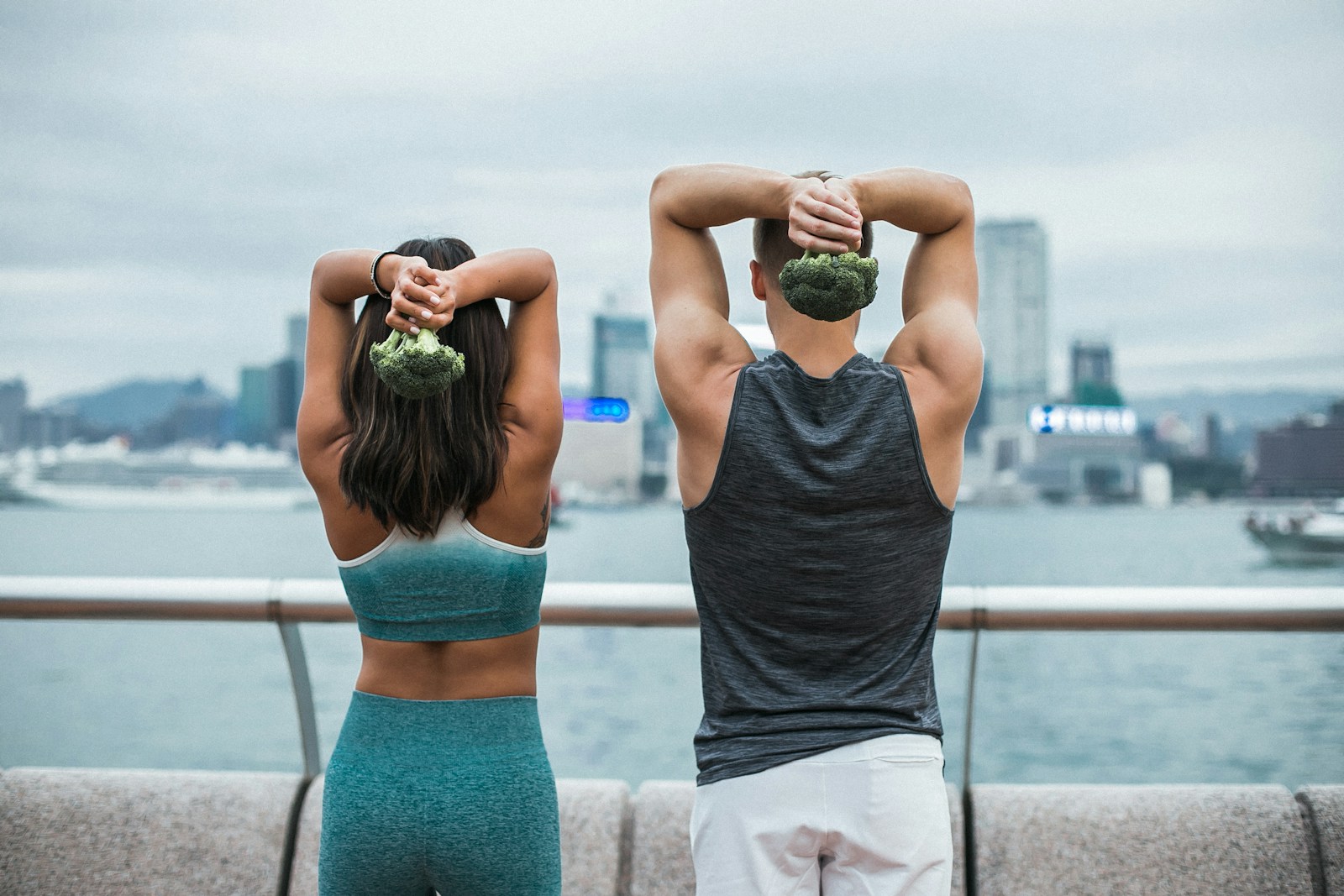
People dance around this topic. They call it shallow. They say looks should not matter. They insist personality is what counts.
And all of that is true. Personality does matter. But so does fitness. And pretending otherwise helps no one.
The reality is that getting in shape changes your dating life. Dramatically. In ways both positive and negative.
Here is what people do not say out loud.
THE SHORT ANSWER
Yes, fitness changes your dating life. The changes are mostly positive, but there are real negatives as well.
On the positive side: You become more physically attractive to more people. Your confidence increases. You have more energy for dates and social activities. You carry yourself differently. People are drawn to discipline and self-respect. Your options expand significantly.
On the negative side: You may become more judgmental of partners who do not share your fitness lifestyle. Your dating pool may actually shrink if you only date people as fit as you. You might attract people for superficial reasons. Your partner may feel insecure or pressured. Your fitness routine can become a source of conflict.
The net effect for most people is positive. More options, more confidence, more attraction. But the negatives are real and worth understanding.
THE POSITIVE CHANGES
1. You Become More Physically Attractive
This is obvious. It is also true.
When you lose excess body fat and gain muscle, your face becomes more defined. Your posture improves. Your clothing fits better. You move differently. These changes are noticeable to potential partners, even if they cannot articulate them.
Research consistently shows that physical attractiveness is a primary factor in initial attraction. Fitness directly improves physical attractiveness. That expands your dating pool.
2. Your Confidence Increases
Fitness changes how you feel about yourself. Not just how you look.
When you set goals and achieve them, you build self-efficacy. When you look in the mirror and like what you see, you carry yourself differently. When you walk into a room, you feel entitled to be there.
Confidence is attractive. Not arrogance. Genuine, quiet confidence that comes from self-respect. Fitness builds that.
3. You Have More Energy
Dates require energy. Socializing requires energy. Dating apps, multiple conversations, late nights, weekend plans — it is exhausting.
Fitness increases your energy levels. You sleep better. You recover faster. You are less tired after work. You can actually enjoy your social life instead of just surviving it.
4. You Signal Discipline and Self-Respect
A fit body signals that you take care of yourself. That you can delay gratification. That you have discipline. That you respect your own health and appearance.
These are attractive traits. They suggest that you will also show up in a relationship. That you are reliable. That you have your life together.
5. Your Options Expand
This is the most direct effect. More people find you attractive. More people say yes to dates. More people are interested.
For men, the effect is often dramatic. Fit men are perceived as more masculine, more capable, and more dominant in positive ways. For women, fit women are perceived as more healthy, more energetic, and more confident.
The dating market is competitive. Fitness gives you an edge.
THE NEGATIVE CHANGES
1. You Become More Judgmental
This is the shadow side.
As you get fitter, you notice lack of fitness in others. You may find yourself judging potential partners for being overweight, out of shape, or unmotivated. You may dismiss people who would have been perfectly good partners before.
This judgment can become extreme. Some fit people refuse to date anyone who does not also have visible abs or a strict workout routine. They shrink their dating pool dramatically.
2. Your Dating Pool Shrinks (If You Let It)
If you only date people as fit as you are, your options become limited. Very fit people are rare. Very fit people who are also compatible with you in other ways are even rarer.
Many fit people end up alone not because they are unattractive, but because their standards have become unrealistic.
3. You Attract the Wrong People
Fitness attracts people who value fitness. That is fine. But some of those people are shallow. They care only about appearance. They have nothing else to offer.
If you built your identity around fitness, you may attract partners who only care about your body, not your mind or character. That can lead to empty, unsatisfying relationships.
4. Your Partner May Feel Insecure
If you get fit while in a relationship, your partner may feel threatened. They may worry you are out of their league. They may feel pressure to also get fit, even if they do not want to. They may resent the time you spend at the gym.
Fitness can become a source of conflict, not connection.
5. Your Routine Becomes a Barrier
Fitness takes time. Meal prep, workouts, recovery, sleep. That time is time you are not spending with a partner.
Some partners will support your routine. Others will feel neglected. If you prioritize the gym over your relationship, you will damage that relationship.
WHAT THE RESEARCH SAYS
Studies on attractiveness and dating confirm these patterns.
Physical attractiveness is the strongest predictor of initial romantic interest. Across cultures and genders, people prefer fit, healthy-looking partners.
Fit people are perceived as more intelligent, more successful, and more disciplined.These halo effects extend beyond appearance.
Fit people report more dating opportunities and more frequent sexual activity. The effect is stronger for men than for women, but significant for both.
However, extremely fit people report lower relationship satisfaction. The obsessive pursuit of fitness can interfere with intimacy and connection.
The research supports both the positive and negative effects.
HOW TO MAXIMIZE THE POSITIVES AND MINIMIZE THE NEGATIVES
Fitness is a tool. How you use it matters.
Do not make fitness your entire identity. Let it be part of who you are, not all of who you are. Have other interests. Be interesting beyond the gym.
Do not judge others for their fitness level. Everyone is on their own journey. A partner does not need to be as fit as you to be a good partner.
Stay humble. Confidence is attractive. Arrogance is not. Remember that you were not always fit. Remember that fitness does not make you better than anyone else.
Find a partner who shares your values, not just your workout routine. Shared values last. Shared abs do not.
Make time for your relationship. The gym will always be there. A good partner will not.
Be honest about your priorities. If fitness is truly the most important thing to you, date someone who feels the same. If you want a balanced life, date someone balanced.
THE BOTTOM LINE
People do not say it out loud. But fitness changes your dating life. A lot.
The positive changes: More attractive, more confident, more energy, signals discipline, expands your options.
The negative changes: More judgmental, smaller dating pool (if you are picky), attracts shallow people, partner insecurity, routine becomes a barrier.
For most people, the net effect is positive. Being fit is better than being unfit for dating. But extreme fitness can become a liability.
The goal is not to be the fittest person in the room. The goal is to be healthy, confident, and attractive while remaining humble, kind, and open to love.
Fitness opens doors. But you still have to walk through them.
What do you think – has fitness changed your dating life? Drop your take below. 💪