
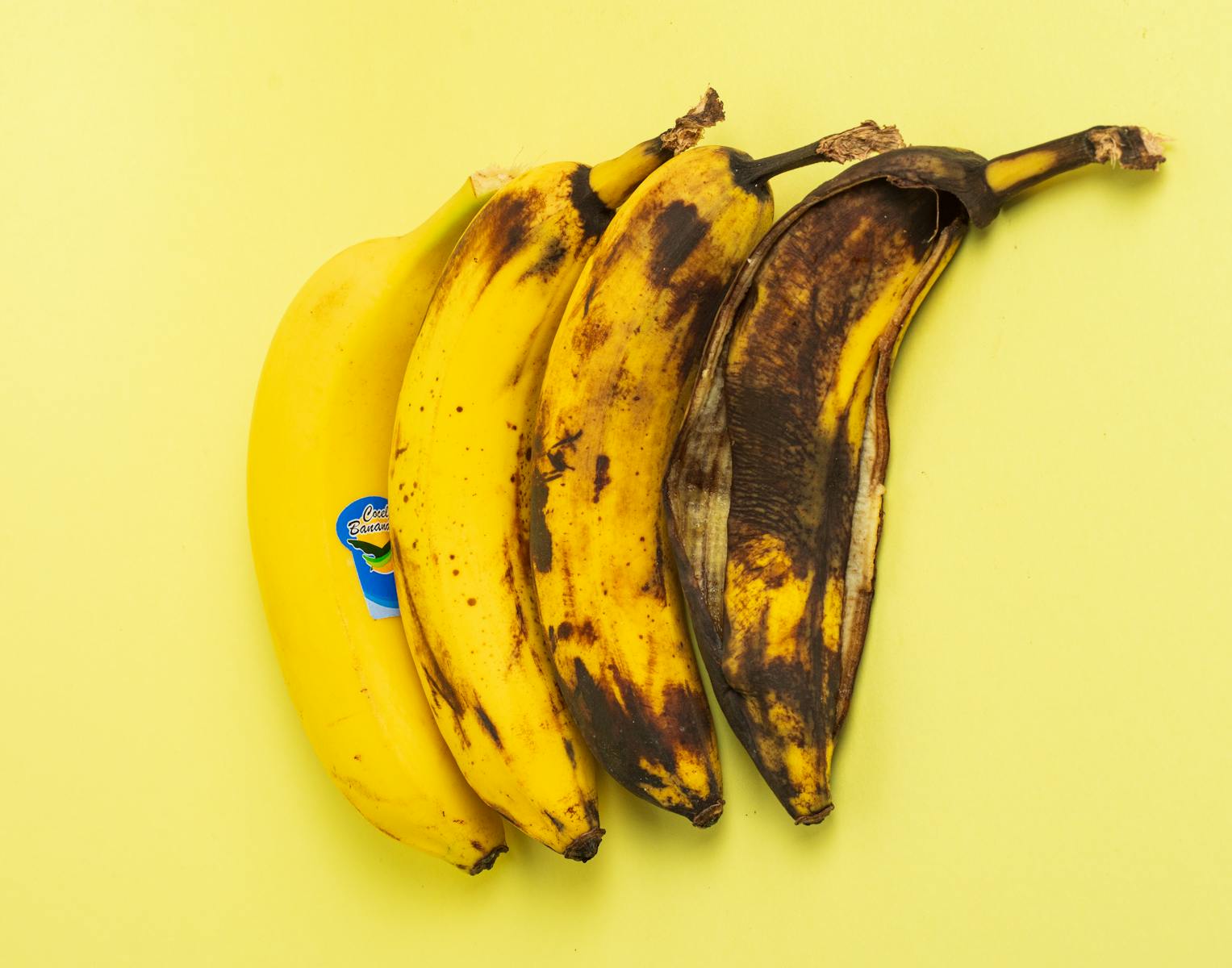
A viral post is making the rounds. Korea sells “one-a-day” banana packs. Each pack contains several bananas. But instead of all ripening at once, each banana is at a different stage. One is ready today. Another is ready tomorrow. The last one is still green, waiting for its moment.
The post calls it “simple. genius. solves the entire banana problem.”
The banana problem is real. You buy a bunch. Two are perfect today. The rest are either too green or too brown. By the time the green ones ripen, the perfect ones are rotting. You throw away bananas. You feel guilty. You buy fewer bananas. You miss out.
So is this real? And does it actually work?
Here is the answer.
THE SHORT ANSWER
Yes, the “one-a-day” banana packs are real. They have been sold in South Korea by major retailers like E-Mart and Lotte Mart. The concept is simple: each pack contains bananas at three different ripening stages. You eat one when it is ready. The next is ready the following day. The third is ready the day after.
The product gained attention on Korean social media and was featured in news reports around 2020-2021. It was marketed as a solution for single-person households and busy people who cannot eat an entire bunch before it spoils.
However, the product is not a permanent staple everywhere. It has appeared as a limited offering or a test product. Whether you can buy it today in Korea depends on the retailer and season.
But the concept is real. And it works.
WHAT IS THE “BANANA PROBLEM”?
Bananas ripen quickly. Too quickly.
When you buy a bunch, all the bananas are usually at a similar stage. They were picked green. They were shipped together. They sit on the shelf together. They ripen together.
You eat one or two on day one. Perfect. On day two, they are still good. On day three, brown spots appear. On day four, they are mushy and sweet (fine for baking, not for eating). By day five, they are trash.
If you live alone or have a small household, you cannot eat six bananas before they go bad. You waste food. You waste money.
The banana problem is real. It is a minor annoyance, but a universal one.
HOW KOREA’S “ONE-A-DAY” PACKS WORK
The solution is elegant.
The pack contains three bananas.
Banana one: Yellow. Ready to eat today. No waiting.
Banana two: Semi-green. Will be ready tomorrow. A day away.
Banana three: Green. Still ripening. Will be ready the day after tomorrow.
You open the pack. You eat banana one. Tomorrow, banana two is perfect. The next day, banana three is ready. No waste. No rush. No guilt.
The magic is not in the packaging. It is in the selection. The retailer deliberately picks bananas at three different ripening stages and packs them together.
WHY THIS IS GENIUS
The concept is simple. That is why it is genius.
Solves food waste. No more throwing away brown bananas. You eat each one at its peak.
Perfect for single-person households. Korea has a large population of single people living alone. Traditional bunches are too much. This pack is just right.
No special technology needed. The bananas are not genetically modified. They are not treated with special gases. They are just selected carefully. Any grocery store could do this.
Creates a routine. “One banana per day” is easy to remember. It becomes a habit. The pack literally trains you to eat bananas consistently.
Reduces decision fatigue. You do not have to guess which banana is ready. The pack tells you. Eat the yellow one today.
IS THIS AVAILABLE OUTSIDE KOREA?
Not widely. But it could be.
The Korean “one-a-day” packs gained attention internationally. Food bloggers, sustainability advocates, and grocery executives took note. Some retailers in Japan, Taiwan, and Europe have experimented with similar concepts.
In the United States, major grocery chains have not adopted this model. Bananas are typically sold in standard bunches. Some stores sell single bananas. Some sell “green” and “ripe” separately. But the curated three-stage pack is rare.
There is no technical reason US stores could not do this. Bananas are shipped green. They ripen in storage. Retailers already sort bananas by ripeness. The missing piece is packaging and consumer education.
If demand increases, expect to see similar products.
WOULD YOU PREFER YOUR BANANAS THIS WAY?
The answer depends on how you eat bananas.
Yes, if:
- You live alone or with one other person
- You hate wasting food
- You eat one banana per day
- You dislike mushy or overripe bananas
- You appreciate clever packaging solutions
No, if:
- You have a large family that eats bananas quickly
- You like to buy bananas in bulk
- You prefer to choose your own ripeness levels
- You do not mind freezing or baking with overripe bananas
- You think the packaging is unnecessary plastic waste
The Korean packs use plastic wrapping. That is a legitimate environmental concern. A bunch of bananas already has natural packaging (the peel). Adding plastic for convenience creates waste. Some versions use paper bands or cardboard trays. But most use plastic.
THE BOTTOM LINE
Yes, Korea sells “one-a-day” banana packs. They are real.
What they are: Three bananas at three different ripening stages. One ready today. One ready tomorrow. One ready the day after.
Do they solve the banana problem? Yes, for single-person households or anyone who eats one banana per day. No waste. No rush. Perfect ripeness every time.
Are they available everywhere? Not widely outside Korea. But the concept could spread.
Would you prefer them? That depends on your household size, eating habits, and environmental concerns.
The “one-a-day” banana pack is a small innovation. It solves a small problem. But it is thoughtful. It is user-centered. It is the kind of design that makes you wonder why no one thought of it sooner.
Now the question is: will your grocery store start selling them?
What do you think – would you buy banana packs like this? Drop your take below. 🍌