
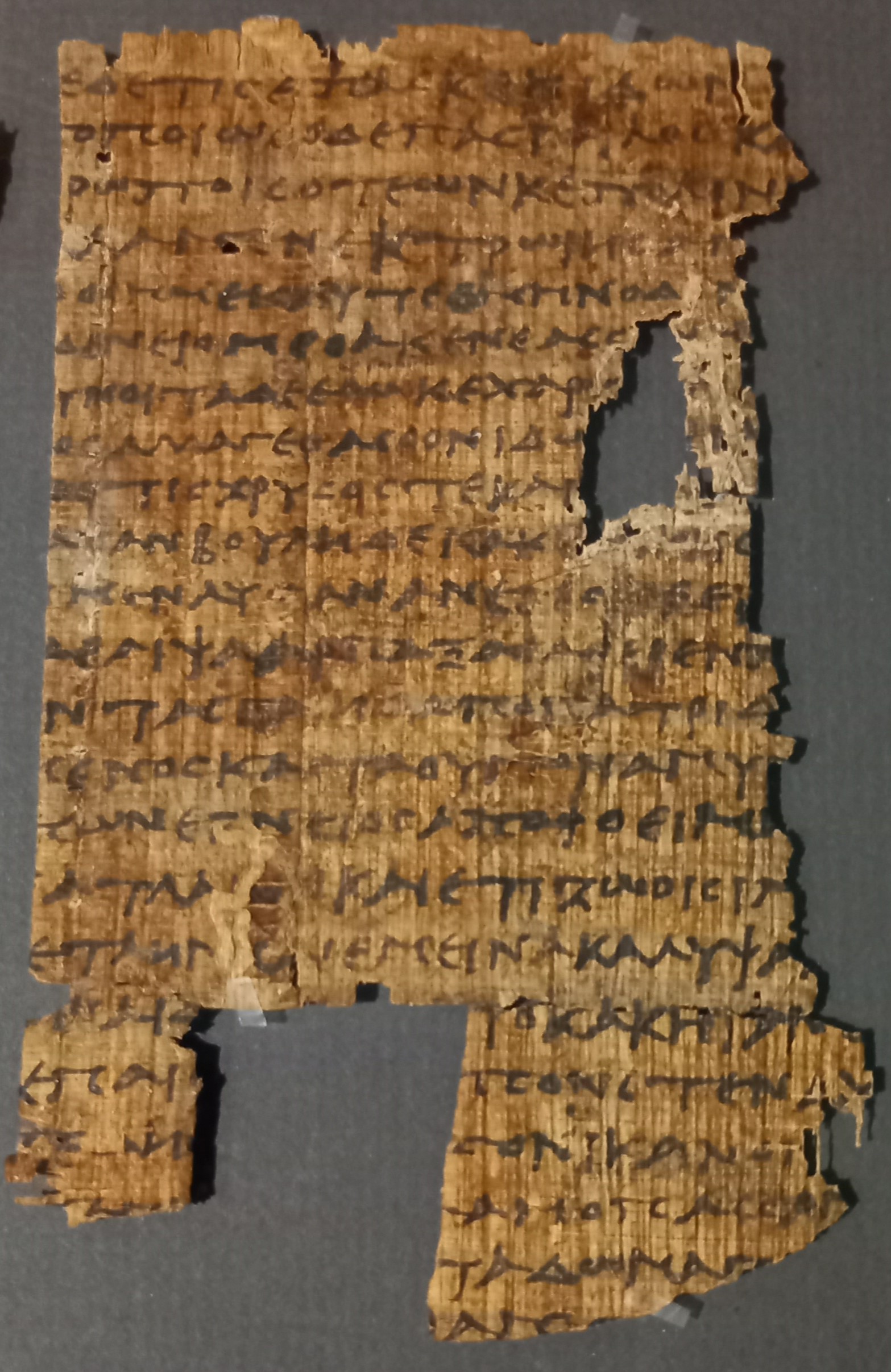
The oldest-known manuscript fragment of the Odyssey was produced in Ptolemaic Egypt during the 3rd century BC and unearthed in Medinet Ghoram. The Odyssey is one of two major epics of ancient Greek literature attributed to Homer. It is one of the oldest surviving works of literature and remains popular with modern audiences.
📖 Literary Sources
Literary sources include the Iliad, Odyssey, Epic Cycle, Aeneid Book 2, Iphigenia in Aulis, Philoctetes, Ajax, The Trojan Women, and Posthomerica. Episodes include the Judgement of Paris, Seduction of Helen, Trojan Horse, Sack of Troy, The Returns, Wanderings of Odysseus, and Aeneas and the Founding of Rome.
⚔️ Greeks and Trojans
Greeks and allies include Agamemnon, Achilles, Helen, Menelaus, Nestor, Odysseus, Ajax, Diomedes, Patroclus, Thersites, Achaeans, and Myrmidons. Trojans and allies include Priam, Hecuba, Hector, Paris, Helen, Cassandra, Andromache, Aeneas, Memnon, Troilus, Penthesilea and the Amazons, Sarpedon, Deiphobos, and Helenus.
🏛️ Participant Gods and Historicity
Eris caused the war. On the Greek side are Athena, Hephaestus, Hera, Hermes, Thetis, and Poseidon. On the Trojan side are Aphrodite, Apollo, Ares, Artemis, Leto, Scamander, and Zeus. Historicity topics include Ahhiyawa, Alaksandu, Archaeology of Troy, Attarsiya, Hisarlık, Homeric Question, Late Bronze Age Troy, Manapa-Tarhunta letter, Milawata letter, Tawagalawa letter, Trojan language, and Wilusa.
📚 Composition and Themes
The Odyssey was first composed in Homeric Greek around the 8th or 7th century BC. By the mid-6th century BC, it had become part of the Greek literary canon. Key themes include nostos (return), wandering, xenia (guest-friendship), testing, and omens. The Odyssey is regarded as one of the most significant works of the Western canon.
🗺️ Scholarly Debates
Scholars agree that the Homeric epics developed as part of an oral tradition over hundreds of years. Debate persists over the Homeric questions, including the compositional relationship between the Iliad, Odyssey, and Epic Cycle. Scholars note strong influences from Near Eastern mythology and literature in the Odyssey.
| Category | Key Figures | Key Locations | Key Concepts |
|---|---|---|---|
| Greeks | Agamemnon, Achilles, Odysseus | Ithaca, Troy | Nostos, Xenia |
| Trojans | Priam, Hector, Paris | Troy, Wilusa | Trojan War |
| Gods (Greek) | Athena, Hera, Poseidon | Mount Olympus | Divine intervention |
| Gods (Trojan) | Aphrodite, Apollo, Zeus | Scamander River | Eris (cause of war) |