
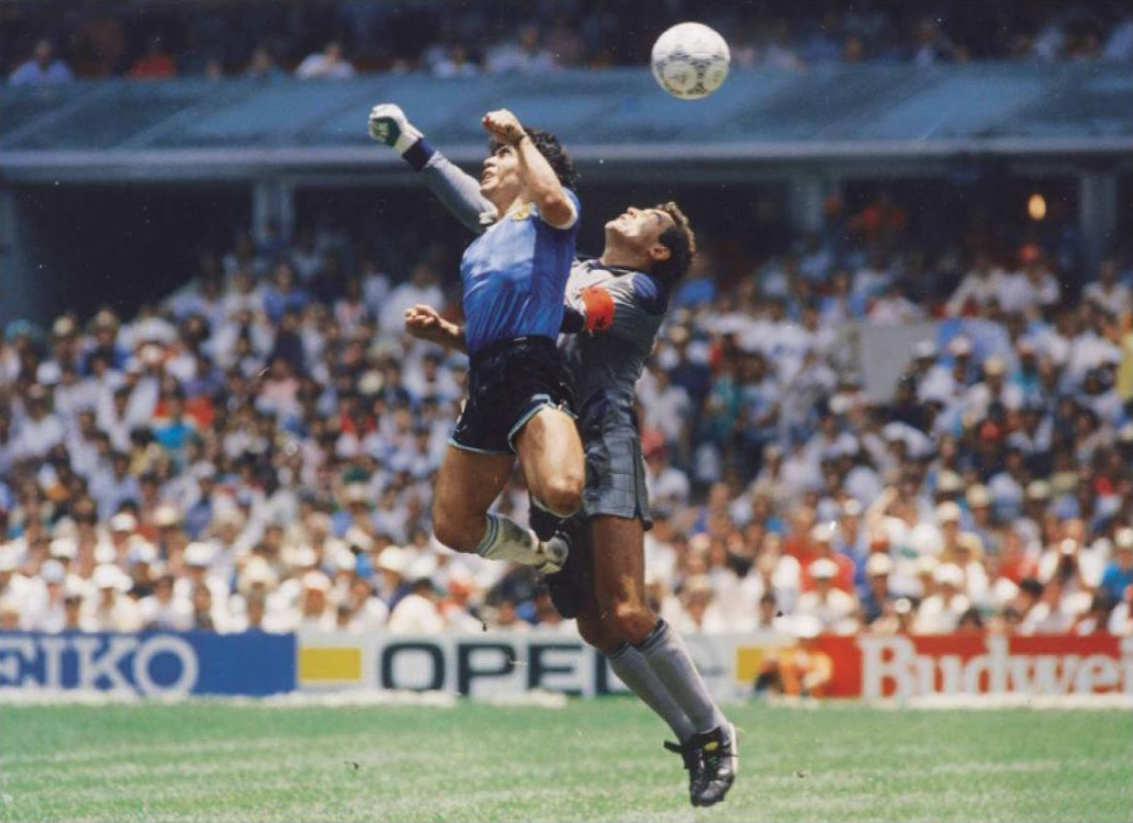
The Argentina–England football rivalry is a sports rivalry between the national football teams of Argentina and England and their fans. It is considered one of the most hostile in the sport. Games between the two teams, even friendly matches, are often marked by notable and sometimes controversial incidents.
⚽ Origins and Early History
The rivalry is unusual in that it is an intercontinental one. In the latter half of the 19th century, the Argentine capital Buenos Aires had a large expatriate British community of some 10,000 people. Football was introduced to Argentina by the British.
The first recorded football match played in Argentina was organized by the Buenos Aires Cricket Club on 20 June 1867. The so-called “father of Argentine football” was a Glaswegian schoolteacher, Alexander Watson Hutton. In 1891, Hutton established the Association Argentine Football League.
🏆 Key World Cup Clashes
The rivalry emerged across several games during the second half of the twentieth century. It was driven by various controversial incidents, particularly those in the games played between the teams at the 1966, 1986 and 1998 FIFA World Cups. Overall, England holds the edge in the rivalry in official matches, with six victories, to five by Argentina.
In the 1966 World Cup quarter-finals, England won 1–0 thanks to a goal from striker Geoff Hurst, disputed by the Argentines due to a claimed offside. The game was particularly noted for the sending off of Argentina captain Antonio Rattín. After the match, England manager Alf Ramsey described the South Americans as “animals” in the press.
At the 1986 World Cup quarter-final, Argentina took the lead through a highly controversial goal from Maradona, who punched the ball into the net with his hand. The goal, dubbed the “Hand of God goal”, has become infamous in England. Also in this game, Maradona scored a second goal, voted in 2002 as the best goal in World Cup history.
🌍 Political and Cultural Context
The rivalry is seen as equal in England – matched by its dislike of the Ireland, Scotland, France, and Germany teams – partly due to non-footballing events, especially the 1982 Falklands War between Argentina and the United Kingdom. The 1986 encounter was made particularly incendiary by the Falklands War fought four years previously. Many in Argentina saw the game as being an opportunity to exact revenge upon England for England’s part in the conflict.
| Year | Competition | Result | Notable Incident |
|---|---|---|---|
| 1966 | World Cup Quarter-Final | England 1-0 Argentina | Rattín sent off; Ramsey calls Argentines “animals” |
| 1986 | World Cup Quarter-Final | Argentina 2-1 England | Maradona’s “Hand of God” goal |
| 1998 | World Cup Second Round | Argentina win on penalties | Beckham sent off |
| 2002 | World Cup Group Stage | England 1-0 Argentina | Beckham penalty winner |