
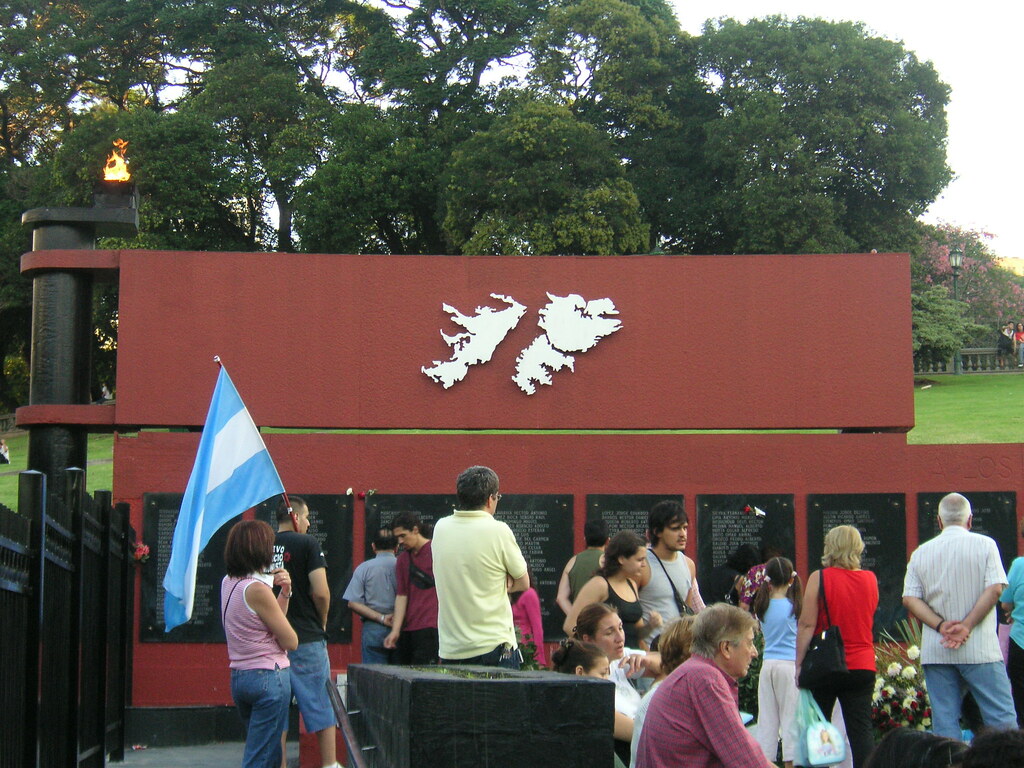
The Falkland Islands are a small archipelago in the South Atlantic. They are about three hundred miles off the coast of Argentina. They are home to roughly three thousand people. They are also at the center of a long-running territorial dispute.
The islands are currently a British Overseas Territory. The United Kingdom administers them. The residents are British citizens. The British military maintains a presence there. The United Nations recognizes British sovereignty, with a caveat.
But Argentina claims the islands as its own. The Argentine government refers to them as Las Malvinas. The claim is rooted in history, geography, and national pride.
So are the Falkland Islands really British? The answer depends on who you ask and how you define legitimacy.
Here is the complicated truth.
THE SHORT ANSWER
The Falkland Islands are British in practice. The United Kingdom has administered them continuously since 1833. The current residents are overwhelmingly British in culture and identity. In a 2013 referendum, ninety-nine point eight percent of voters chose to remain a British Overseas Territory. That is the strongest possible democratic mandate.
Argentina claims sovereignty based on inheritance from the Spanish Empire and geographic proximity. Argentina argues that Britain colonized the islands and expelled an Argentine settlement. The Argentine constitution claims the islands as part of its national territory.
In international law, the principle of self-determination supports the British position. The islanders have clearly expressed their preference. The United Nations recognizes both the British administration and the Argentine claim, calling for a negotiated resolution.
The islands are British in every practical sense. They are Argentine in Argentine law and rhetoric. The dispute remains unresolved.
THE BRITISH ARGUMENT
The British position is straightforward.
Continuous administration. The United Kingdom has governed the Falkland Islands since 1833. That is nearly two hundred years of uninterrupted control.
Self-determination. The islanders have the right to determine their own future. In 2013, they voted to remain British. The vote was nearly unanimous.
International recognition. The United Nations recognizes the United Kingdom as the administering power. Many countries, including the United States and most of Europe, accept British sovereignty.
The British view is that the islanders are British. They speak English. They use the pound. They have British passports. They want to be British. That should be the end of the story.
THE ARGENTINE ARGUMENT
The Argentine position is also clear.
Historical inheritance. Argentina inherited the islands from Spain when it gained independence in 1816. The islands were part of the Spanish Empire. Argentina considers itself the legitimate successor.
British expulsion. In 1833, British forces expelled an Argentine settlement on the islands. Argentina considers this an act of aggression.
Geographic proximity. The islands are close to Argentina. They are far from Britain. Argentina argues that proximity gives it a stronger claim.
Decolonization. The United Nations has called for decolonization of the Falklands. Argentina argues that the islands should be part of a sovereign nation, not a colonial outpost.
The Argentine view is that the islands belong to Argentina. The British are occupiers. The islanders are British settlers, not an indigenous population.
THE 1982 WAR
The dispute escalated into war in 1982. Argentina invaded the islands. The United Kingdom responded with a naval task force. The war lasted ten weeks. Britain won. Argentina surrendered. The islands remained British.
The war is still a deep wound in Argentina. The loss is a source of national shame. The memory is kept alive through politics, education, and public discourse. Every Argentine president reaffirms the claim. No politician can accept British sovereignty without losing support.
In the United Kingdom, the war is remembered differently. It is a symbol of resolve, military capability, and national pride. Margaret Thatcher’s government was strengthened by the victory. The islanders became a cause célèbre.
The war did not resolve the dispute. It froze it.
WHAT THE ISLANDERS WANT
This is the most important factor.
The Falkland Islanders are not a colonized population. They are overwhelmingly British in origin. They have lived there for generations. They have built their own society. They do not want to be Argentine.
In 2013, the Falkland Islands government held a referendum. The question was whether to remain a British Overseas Territory. Ninety-nine point eight percent voted yes. Only three people voted no. The turnout was over ninety percent.
The islanders have made their position clear. They want to be British. Any resolution that ignores their wishes would be a violation of self-determination.
Argentina dismisses the referendum as meaningless. It argues that the islanders are not a distinct people. They are British settlers who should not have the right to decide the fate of Argentine territory.
WHAT THE UNITED NATIONS SAYS
The United Nations has a complicated position.
The UN recognizes the Falkland Islands as a non-self-governing territory. That means it is a colony. The UN calls for decolonization. But decolonization does not mean automatic transfer to Argentina.
The UN supports the principle of self-determination. But the UN also recognizes the Argentine claim. The General Assembly has passed resolutions calling for negotiations. It has not endorsed British sovereignty or Argentine sovereignty.
The status is unresolved. Both sides have international support. Neither side has a clear legal victory.
WHAT DO OTHER COUNTRIES THINK?
Most countries recognize British sovereignty. The United States, Canada, Australia, New Zealand, and the European Union all accept British rule. They do so quietly. They do not want to upset Argentina.
Latin American countries, with few exceptions, support Argentina. Regional solidarity is strong. The Organization of American States has passed resolutions supporting Argentine sovereignty. China and Russia have historically supported Argentina, largely because they oppose Britain.
The international community is divided. The split is regional and political.
THE BOTTOM LINE
Are the Falkland Islands really British?
In practice: Yes. The United Kingdom administers them. The islanders are British. They vote to remain British. Britain defends them militarily.
In Argentine law: No. The Argentine constitution claims them. Argentina views them as occupied territory.
In international law: Complicated. Self-determination supports Britain. Decolonization resolutions complicate the picture.
In reality: The islands are British because the islanders want them to be British. Self-determination is the strongest argument. Until the islanders change their minds, the islands will remain British.
Argentina has a historical claim. It has a geographic claim. It does not have a claim based on the will of the people who actually live there.
The dispute will not be resolved anytime soon. Both sides are entrenched. The islanders are determined. Argentina is resolute. Britain will not negotiate sovereignty without the islanders’ consent.
The Falkland Islands are British. They have been British for nearly two centuries. They will likely remain British for the foreseeable future.
What do you think – should the islands be British or Argentine? Drop your take below. 🇬🇧🇦🇷🏝️