
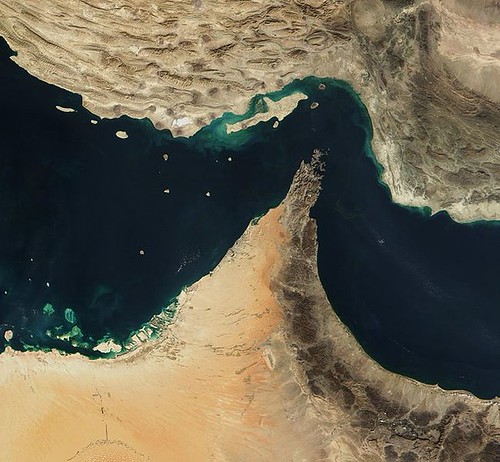
A dramatic claim spread across social media on Friday. US forces had seized an Iranian vessel in the Strait of Hormuz. The posts included images of armed personnel boarding a ship. The implication was clear. A major escalation in the ongoing US-Iran standoff had just occurred.
The claim went viral. Tensions were already high. The Strait of Hormuz carries roughly one-fifth of global oil and liquefied natural gas shipments. Any military incident there would have immediate consequences for energy prices and regional stability.
But the claim was false. The images were old. The operation was routine. No Iranian vessel was seized.
Here is what actually happened and how the misinformation spread.
THE SHORT ANSWER
No, US forces did not seize an Iranian vessel in the Strait of Hormuz on Friday. The viral claim is misleading. The images circulating on social media are from earlier operations.
One set of images matches footage from April 2026, when US forces conducted boardings as part of the initial blockade enforcement. Another set matches a routine verification boarding of an oil tanker called M/T Wen Yao in the Gulf of Oman on July 16. That operation was a compliance check, not a seizure.
US Central Command has not announced or confirmed any seizure of an Iranian vessel matching the viral claim. CENTCOM did report redirecting three commercial vessels, disabling one non-compliant vessel, and boarding one for verification. None of these actions involved the seizure of an Iranian ship in the Strait of Hormuz.
The claim is false. The evidence does not support it.
WHAT ACTUALLY HAPPENED
The confusion stems from a real US naval operation that occurred on July 16. US Marines from the 11th Marine Expeditionary Unit conducted a verification boarding of an oil tanker called M/T Wen Yao in the Gulf of Oman.
The boarding was part of routine enforcement of the ongoing US naval blockade on Iranian ports. The goal was to verify that the vessel was complying with the blockade and not transporting sanctioned goods.
CENTCOM later reported that US forces had redirected three commercial vessels trying to run the blockade, disabled one vessel that did not comply, and boarded one for verification. The images of armed personnel on a ship were from that operation.
The viral posts misrepresented this routine boarding as a new seizure of an Iranian vessel in the Strait of Hormuz. The location was wrong. The nature of the operation was wrong. The date was wrong.
WHY THE CLAIM WENT VIRAL
Several factors made the claim spread quickly.
High tensions. The US-Iran standoff has been ongoing for months. Any incident in the Strait of Hormuz is immediately newsworthy. People are primed to believe bad news.
Visual evidence. The images looked convincing. Armed personnel boarding a ship in the Persian Gulf region. The images were real. They were just from a different event.
Credible-sounding sources. The posts came from accounts that often share news. Some had large followings. People trusted them without verifying.
Confirmation bias. Many people already believe the US and Iran are heading toward conflict. A claim of a seizure confirms that belief. People are more likely to share information that fits their worldview.
Lack of immediate debunking. The claim spread quickly. Official sources did not respond immediately. The misinformation had time to circulate before fact-checkers caught up.
HOW TO SPOT MISINFORMATION LIKE THIS
The viral claim is a textbook example of how misinformation spreads. Here are the red flags.
Old images used as new. Always check whether the images are current. A reverse image search would have revealed that the photos were from earlier events.
Missing official confirmation. If a major military incident occurs, official sources like CENTCOM will confirm it quickly. The absence of confirmation is a warning sign.
Vague language. The posts used phrases like “seizes control” and “intercepted” without specific details. Real news reports include specific information.
Emotional framing. The posts were designed to provoke reactions. “Chilling image” and “BREAKING” create urgency. Real news does not need to manufacture drama.
Satirical or parody accounts. Some of the posts came from accounts that are not credible sources. One was a parody account of Vladimir Putin. Others were not verified news organizations.
Always verify breaking news from official sources. Do not share unconfirmed claims.
THE BOTTOM LINE
The claim that US forces seized an Iranian vessel in the Strait of Hormuz is false.
What actually happened: US Marines conducted a routine verification boarding of an oil tanker in the Gulf of Oman on July 16. It was a compliance check, not a seizure.
What the viral posts claimed: US forces seized an Iranian vessel in the Strait of Hormuz on July 17. This is not true.
Why it spread: High tensions, convincing images, credible-sounding sources, confirmation bias, and delayed debunking.
What to do next time: Verify breaking news from official sources. Do not trust dramatic claims without confirmation.
The Strait of Hormuz remains a flashpoint. Tensions are real. But this particular incident did not happen. The claim is misleading. The images are old. The operation was routine.
Do not believe everything you see on social media. Verify before sharing.
What do you think – why do these false claims spread so quickly? Drop your take below. 🇺🇸🇮🇷