
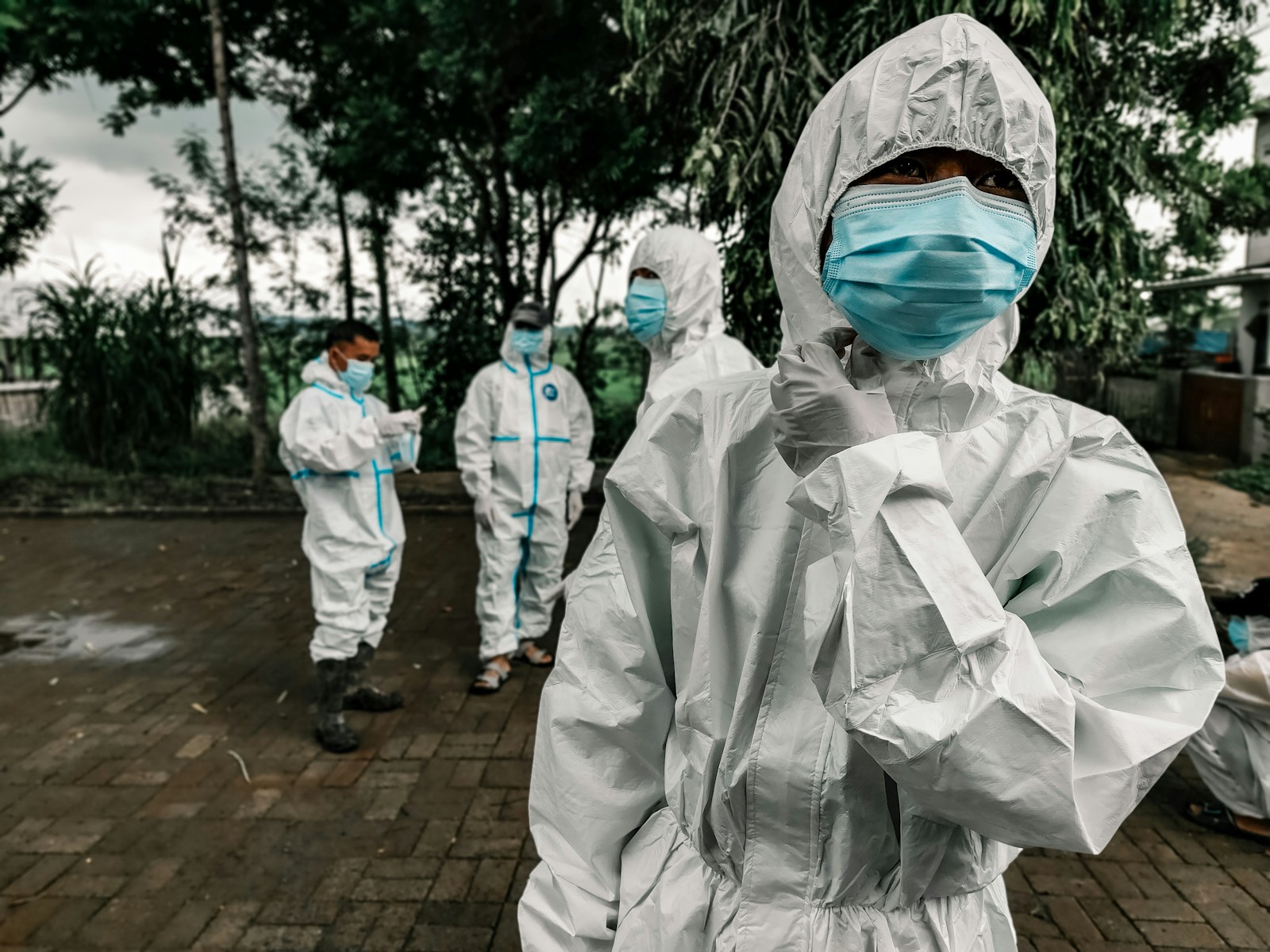
A significant policy shift is being reported. The United States plans to send American citizens who have been exposed to the Ebola virus to Kenya for monitoring and care instead of bringing them back to the United States.
The news broke via a New York Times report. The reaction was immediate. Some praised the move as protecting American public health. Others criticized it as abandoning US citizens abroad.
But who are these Americans? What happened to expose them to Ebola? And why Kenya?
Here is what we know so far.
THE SHORT ANSWER
The Americans in question are aid workers, healthcare personnel, and possibly journalists who were exposed to the Ebola virus while responding to an ongoing outbreak in an African country. The exact location has not been officially confirmed, but the outbreak is believed to be in a region with limited medical infrastructure.
Instead of evacuating these exposed individuals back to the United States, where they would require isolation and monitoring in specialized biocontainment units, the US government has arranged for them to be transported to Kenya. Kenya has established Ebola treatment and monitoring facilities, likely with support from the US Centers for Disease Control and Prevention and the World Health Organization.
The individuals are not confirmed to have Ebola. They have been exposed. They are being monitored for symptoms. If they develop the disease, they will be treated in Kenya. Only if they become critically ill might they be evacuated to the US or Europe.
The policy is controversial. Supporters say it protects the American public from potential importation of the virus. Critics say it treats US citizens as expendable.
WHO ARE THESE AMERICANS?
The exposed individuals are likely to be a mix of professionals.
Aid workers. International NGOs send American staff to respond to health emergencies. These workers are trained in infection control. Exposure can still happen despite precautions.
Healthcare personnel. Doctors, nurses, and lab technicians working in Ebola treatment units are at highest risk. Needle sticks, broken protective equipment, or simple fatigue can lead to exposure.
Government personnel. CDC staff and other US government employees are often deployed to outbreak zones to assist with containment efforts.
Journalists. Reporters covering the outbreak may have been exposed through community contact.
The exact number has not been released. The specific country of exposure has also not been officially confirmed to avoid panic and stigma.
WHAT HAPPENED TO EXPOSE THEM?
Ebola is not airborne. It spreads through direct contact with bodily fluids of an infected person or contaminated surfaces.
Exposure typically happens in one of several ways.
Needlestick injury. A healthcare worker accidentally pricks themselves with a needle used on an infected patient.
Breach in protective equipment. A tear in a glove, gown, or mask goes unnoticed.
Improper removal of gear. Contaminated equipment touches skin during doffing.
Contact with a dead body. Traditional burial practices involve washing and touching the deceased. Bodies of Ebola victims are highly infectious.
Care of a family member. Exposed individuals may have cared for a sick relative outside of a treatment facility.
The exposed Americans are not sick. They are being monitored. The incubation period for Ebola ranges from two to twenty-one days. They will be watched for the full period.
WHY KENYA?
Kenya is not the country where the outbreak is occurring. It is a nearby country with better medical infrastructure.
Proximity. Kenya is closer to the outbreak zone than the United States. Transporting exposed individuals to Kenya is logistically simpler and faster.
Existing infrastructure. Kenya has experience with Ebola preparedness. The country has established screening and isolation facilities at ports of entry and major hospitals.
US support. The CDC has a presence in Kenya. US funding has helped build the country’s public health capacity.
Risk management. Transporting potentially infected individuals halfway around the world increases the risk of spread. Shorter transport to a regional hub reduces that risk.
Political sensitivity. Bringing Ebola-exposed citizens back to the United States would cause public alarm. The US government learned from the 2014 Ebola scare that even healthy exposed individuals can cause panic.
Kenya is not being asked to accept confirmed Ebola patients. It is being asked to host individuals under monitoring. That is a significant difference.
IS THIS LEGAL?
The US government has broad authority to protect the country from infectious diseases.
Federal law. The Public Health Service Act allows the government to take measures to prevent the introduction and spread of communicable diseases.
Executive authority. The President has the power to manage the entry of individuals into the United States, including US citizens, during public health emergencies.
Constitutional limits. US citizens generally have a right to return to their country. That right is not absolute. Public health exceptions have been upheld by courts.
Legal challenges are possible. Civil liberties groups may argue that the government is unlawfully blocking citizens from returning home. No lawsuits have been filed yet.
WHAT HAPPENS NEXT?
The situation is fluid.
Monitoring. The exposed individuals will be monitored in Kenya for the full twenty-one day incubation period. They will have their temperature checked daily. They will report any symptoms.
If symptoms develop: They will be moved to an Ebola treatment unit in Kenya. They will receive supportive care. Experimental treatments may be offered.
If they become critically ill: They may be evacuated to the United States or Europe for advanced care. This would be done in specialized biocontainment transport systems.
If they remain healthy: After twenty-one days with no symptoms, they are not infected. They will be cleared and can return to the United States normally.
The timeline depends on when the exposure occurred.
THE BOTTOM LINE
The US plans to send Ebola-exposed American citizens to Kenya instead of bringing them home.
Who are they: Aid workers, healthcare personnel, government staff, and possibly journalists exposed during an Ebola outbreak.
What happened: They had direct contact with infected patients or contaminated materials. They are not sick. They are under monitoring.
Why Kenya: Proximity, existing infrastructure, US support, and risk management.
Is it legal: Likely yes, under public health laws. Legal challenges are possible.
What happens next: Monitoring for twenty-one days. Treatment in Kenya if symptoms develop. Possible evacuation if critically ill.
The policy is unprecedented. It balances public health protection in the US against the rights of individual citizens. Supporters call it prudent. Critics call it abandonment. The exposed Americans are caught in the middle.
What do you think – should the US bring exposed citizens home or keep them overseas? Drop your take below. 🦠✈️🇰🇪