
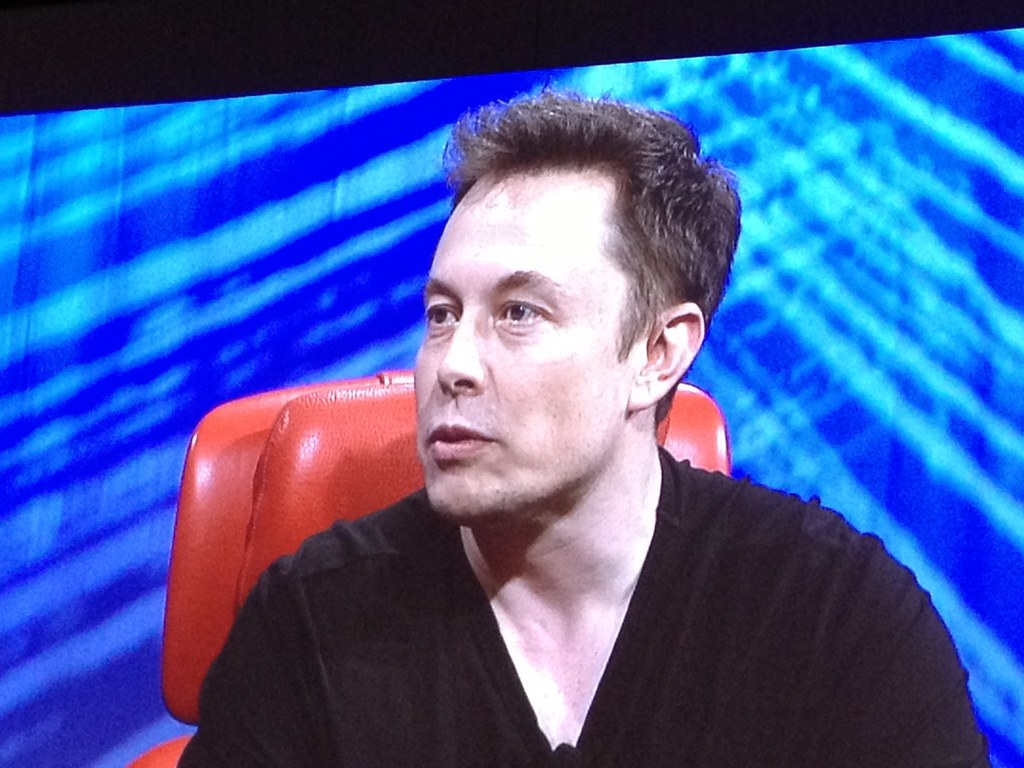
Elon Musk has set a new target. Not a rocket launch or a tunnel. A net worth goal. $10 trillion.
The statement came after entrepreneur Peter Diamandis noted that Musk’s current wealth equals about 2.7% of U.S. GDP. That is similar to John D. Rockefeller’s share of the economy in 1913.
Musk’s fortune is currently tracked by Forbes at $788.7 billion. Most of that wealth is tied to his Tesla stake and his SpaceX stake.
Supporters cheered. Critics called it excessive wealth hoarding. But the practical question is not whether he should. It is whether he can. And if so, when.
Here is the math.
THE SHORT ANSWER
At his current growth rate, Musk would reach $10 trillion in roughly 12 to 15 years, around 2038 to 2041. However, that projection assumes his companies continue growing at their current pace indefinitely. That is unlikely. Growth slows. Markets saturate. Competitors emerge.
A more realistic estimate, accounting for slowing growth and diversification, puts the date closer to 2045 to 2050. Musk would be in his mid-70s to early 80s.
If SpaceX or Tesla achieves a truly transformative breakthrough, the timeline could accelerate to 2035 or earlier.
If something goes wrong, he may never reach $10 trillion.
HOW FAST DOES HIS WEALTH GROW?
Musk’s net worth growth is not linear. It jumps when his companies achieve milestones.
Historical growth (approximate):
- 2019: $20 billion
- 2021: $300 billion (peak during Tesla’s surge)
- 2023: $200 billion (drop after Tesla stock fell)
- 2025: $500 billion (SpaceX valuation increased)
- 2026: $788 billion (current)
The compound annual growth rate over the past five years is roughly 50% to 60%. That is extraordinary. It is also unsustainable.
Realistic growth assumptions:
- Optimistic scenario (50% annual growth): Musk would reach $10 trillion in 6 to 8 years, around 2032 to 2034.
- Moderate scenario (25% annual growth): Musk would reach $10 trillion in 12 to 15 years, around 2038 to 2041.
- Conservative scenario (10% annual growth): Musk would reach $10 trillion in 28 to 30 years, around 2054 to 2056.
- Pessimistic scenario (0% or negative growth): Musk would never reach $10 trillion.
Most analysts believe the moderate scenario is most likely.
WHAT NEEDS TO HAPPEN FOR HIM TO REACH $10 TRILLION
Several things must go right.
1. SpaceX Must Dominate Multiple Markets
SpaceX is currently his largest asset.
How SpaceX could get there:
- Starlink becomes a global internet monopoly with tens of millions of subscribers
- Starship makes Mars travel routine and profitable
- SpaceX becomes the primary launch provider for all government and commercial missions
- Point-to-point Earth transport becomes a major business
Each of these is possible. None is guaranteed.
2. Tesla Must Solve Full Self-Driving
Tesla’s valuation is capped by its identity as a car company. To grow significantly, Tesla must become something else.
The path forward:
- Full Self-Driving actually works and is approved by regulators
- Tesla launches a robotaxi network with millions of autonomous vehicles
- The Optimus humanoid robot becomes a mass-market product
- Tesla becomes an energy company as large as its auto business
If Full Self-Driving fails, Tesla’s growth slows dramatically.
3. xAI Must Win the AI Race
Musk’s newest company, xAI, is a wildcard. If it becomes the dominant AI provider, its value could reach trillions.
The path forward:
- Grok surpasses ChatGPT and Gemini
- xAI’s technology powers autonomous systems across Tesla and SpaceX
- xAI becomes the default AI for business and government
This is the most speculative. AI is a crowded field. Musk arrived late.
4. No Major Setbacks
Any of the following could derail the goal:
- A Tesla stock crash from overvaluation
- A SpaceX Starship disaster with loss of life
- Regulatory crackdowns on Starlink or autonomous vehicles
- A global recession that reduces valuations
- Musk’s own behavior damaging his companies
WHAT THE CRITICS SAY
Critics argue that $10 trillion is not just unlikely. It is excessive.
Economic concentration. John D. Rockefeller’s wealth at its peak was about 2% to 3% of U.S. GDP. Musk is already at that level.
Inequality. Critics argue that no individual should control that much wealth. The money could be used for climate change, healthcare, education, or poverty reduction.
Unrealistic expectations. Even Musk’s most optimistic supporters admit that $10 trillion is a stretch goal. It requires near-perfect execution for a decade or more.
THE BOTTOM LINE
Elon Musk has set a $10 trillion net worth goal.
His current net worth is $788.7 billion. Most of that wealth is tied to Tesla and SpaceX.
At a moderate 25% annual growth rate, he would reach $10 trillion in 12 to 15 years, around 2038 to 2041.
To get there, SpaceX must dominate space and internet markets. Tesla must solve self-driving and launch robots. xAI must win the AI race. And nothing major can go wrong.
Critics say the goal is excessive and unlikely. Supporters say it reflects Musk’s value creation.
Whether he reaches it or not, one thing is certain. Elon Musk will keep trying.
What do you think – will Elon Musk ever reach $10 trillion? Drop your take below. 🚀