
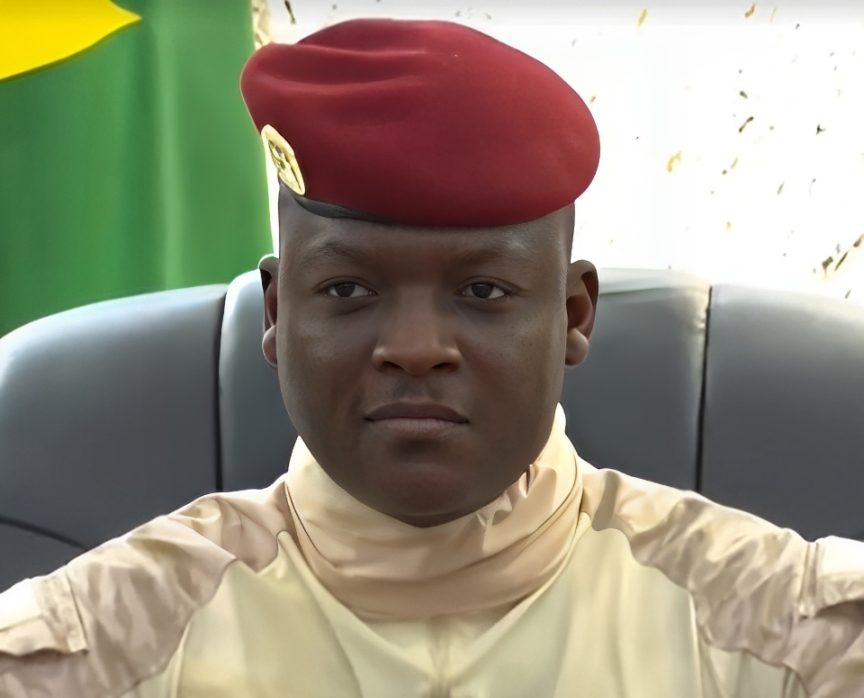
Ibrahim Traoré is not a typical world leader. He is young. He is a military officer. He came to power through a coup. He leads one of the most troubled countries in the world.
Burkina Faso is facing a jihadist insurgency, a humanitarian crisis, and a collapsing economy. Traoré has responded with defiance, nationalism, and a willingness to break with Western allies.
His rise has been rapid. His rule has been controversial. His vision for Burkina Faso is bold and uncertain.
Here are seven interesting facts about Ibrahim Traoré that help explain who he is and what he represents.
FACT ONE: He Is One of the Youngest Leaders in the World
Ibrahim Traoré was born in 1988. He is in his late thirties. He is one of the youngest heads of state in the world.
His age is significant. He represents a generation that grew up after Burkina Faso’s revolutionary era. He is not connected to the older political class. He is seen as a break from the past.
His youth is also a source of tension. Some critics argue he lacks experience. Supporters argue he brings fresh energy and new ideas.
FACT TWO: He Came to Power Through a Coup
Traoré did not win an election. He seized power in a military coup in September 2022.
He overthrew Lieutenant Colonel Paul-Henri Sandaogo Damiba, who had himself come to power in a coup earlier that year. The coup was justified as a response to the deteriorating security situation. Traoré promised to be more effective in fighting the jihadist insurgency.
The coup was widely condemned internationally. The Economic Community of West African States suspended Burkina Faso. France and the United States expressed concern. Traoré remained defiant.
He has since consolidated power. He has not held elections. He has promised to restore civilian rule. The timeline remains unclear.
FACT THREE: He Broke Ties with France
Traoré has been a vocal critic of France, Burkina Faso’s former colonial power. He has accused France of failing to support the country in its fight against jihadist insurgencies.
In 2023, he ordered French troops to leave Burkina Faso. The move was popular with many Burkinabe who viewed French military presence as ineffective and even counterproductive.
He has instead turned to Russia for military support. Russian mercenaries have been deployed to Burkina Faso. The shift reflects a broader realignment in the Sahel region. Mali and Niger have made similar moves.
The decision has been divisive. Some view it as a necessary assertion of sovereignty. Others worry about replacing one foreign power with another.
FACT FOUR: He Has Embraced a Nationalist Vision
Traoré’s rhetoric is fiercely nationalist. He speaks of sovereignty, dignity, and independence. He has criticized foreign interference and neocolonialism.
His vision is of a Burkina Faso that controls its own destiny. He has promised to rebuild the military, restore security, and revive the economy.
His nationalism resonates with many Burkinabe who are frustrated with foreign influence and ineffective governance. It has also raised concerns about democratic backsliding and authoritarianism.
FACT FIVE: He Faces an Existential Security Crisis
Burkina Faso is one of the most unstable countries in the world. A jihadist insurgency has killed thousands of people and displaced millions.
Traoré came to power promising to end the violence. The situation has not improved. Attacks continue. Civilians are killed. The military is overstretched.
The security crisis is the defining challenge of his rule. Success would cement his legacy. Failure would doom his government.
FACT SIX: He Has a Cult Following
Traoré has cultivated a strong public image. He is often seen in military uniform. He is photographed with troops. He projects an image of strength and decisiveness.
He has a loyal following among young Burkinabe who see him as a break from the past. His defiance of Western powers resonates with anti-colonial sentiment.
His rule has not been without opposition. Critics accuse him of authoritarianism and failing to address the security crisis. The cult following is real. It is not universal.
FACT SEVEN: His Future Is Uncertain
Traoré has promised to restore civilian rule. He has not set a timeline. He has consolidated power. Elections are not imminent.
His rule depends on his ability to improve security. If the insurgency continues, his popularity will decline. If he succeeds, he could become a transformative figure.
The international community is watching. Western powers are concerned about Russian influence. African leaders are concerned about the precedent of military coups. Traoré is isolated. He is also defiant.
His future is tied to the future of Burkina Faso. Both are uncertain.
THE BOTTOM LINE
Ibrahim Traoré is one of the youngest and most defiant leaders in the world.
Interesting facts: He is in his late thirties. He came to power through a coup. He broke ties with France. He has embraced nationalism. He faces an existential security crisis. He has a cult following. His future is uncertain.
What he represents: A new generation of African leaders who are willing to break with the past. A defiance of Western influence. A gamble that military rule can solve problems that civilian governments could not.
Traoré is a controversial figure. He is also a significant one. The world is watching. Burkina Faso is waiting.
What do you think – is Traoré a leader of the future or a military strongman of the past? Drop your take below. 🇧🇫👨✈️