
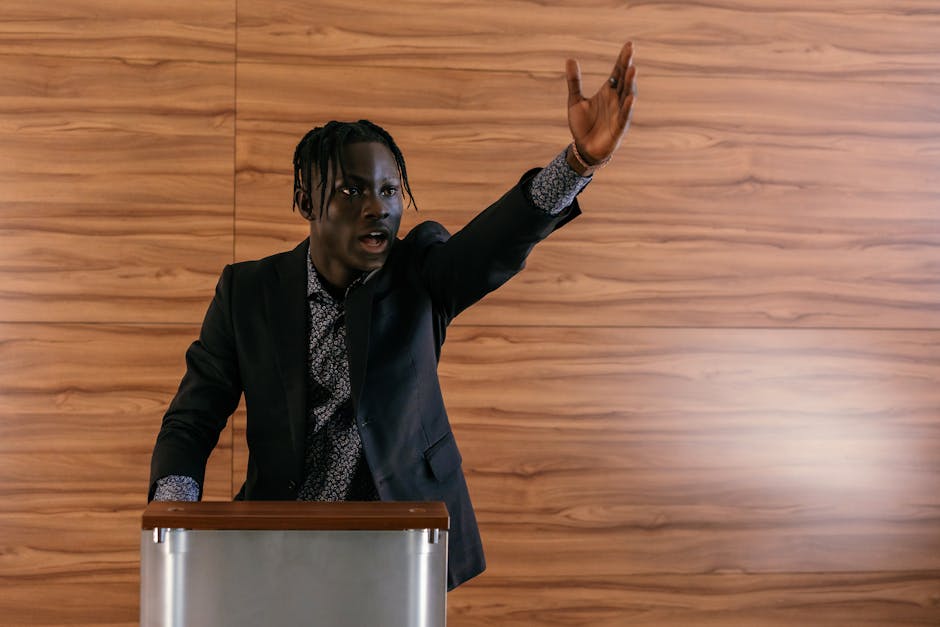
Unlocking the secrets of captivating conversation can transform social interactions and leave a lasting impact. Certain words and phrases have a unique ability to resonate, enchant, and connect with others on a deeper level. This article delves into the fascinating realm of communication, exploring the key phrases that create memorable conversations and the psychology behind them.
✨ POWERFUL LANGUAGE
The words chosen during conversations can either elevate or diminish the connection with others. Powerful language taps into emotions, builds trust, and inspires action. Using affirmative language, such as “imagine,” “discover,” or “achieve,” encourages listeners to visualize positive scenarios. For instance, instead of saying, “You should try this,” one could say, “Imagine how great it will feel when you achieve this.” This simple shift can create a more engaging atmosphere.
Practical Tip: Incorporate metaphors and similes to paint vivid pictures. Instead of saying, “He was sad,” opt for, “He was as forlorn as a ship lost at sea.” This adds depth to the description and engages the imagination.
💡 CURIOSITY-INDUCING QUESTIONS
Asking the right questions can spark curiosity and keep conversations flowing. Open-ended questions encourage more than simple yes or no answers, fostering dialogue. Here are a few examples:
– “What inspired you to pursue your passion?”
– “How did you overcome that challenge?”
Such questions invite others to share their stories, strengthening bonds and creating memorable interactions.
Surprising Fact: According to a study published in “Psychological Science,” participants who asked questions during conversations felt more connected to their partners than those who primarily shared information. This insight highlights the importance of inquiry in building rapport.
🌟 EMOTION-LADEN WORDS
Emotions drive human behavior and decision-making and can be harnessed effectively through language. Words evoke feelings, so incorporating emotion-laden vocabulary can significantly impact conversations. Descriptive words like “thrilling,” “heartwarming,” or “exquisite” can transform mundane dialogue into something extraordinary.
Practical Tip: Use adjectives sparingly but strategically to enhance the emotional weight of a conversation. Instead of saying, “The trip was nice,” say, “The trip was an exhilarating adventure that left us breathless.”
🗣️ ACTIVE LISTENING TECHNIQUES
While the focus often lands on the words spoken, effective communication involves listening as much as speaking. Employing active listening techniques makes others feel valued. Techniques such as nodding, summarizing key points, and responding with affirmations like “I see,” or “That’s interesting,” encourage speakers to share more.
Practical Tip: Reflect back what was heard: “So what you’re saying is…” This not only confirms understanding but also builds trust, showing that there is genuine interest in the conversation.
| 💬 | ✨ | 💡 | 🌟 | ||
|---|---|---|---|---|---|
| ———- | ———- | ———- | ———- | ||
| Powerful Language | Curiosity-Inducing Questions | Emotion-Laden Words | Active Listening Techniques | ||
| Use affirmative language to inspire. | Ask open-ended questions for deeper dialogue. | Utilize descriptive words to evoke emotions. | Practice summarizing to show engagement. | ||
| Incorporate metaphors for vivid imagery. | Encourage sharing of personal stories. | Enhance conversations with carefully chosen adjectives. | Reflect back to confirm understanding. |
🐾 Engaging in conversation can unlock new connections and enriching experiences. By mastering the art of words, everyone can leave a powerful and lasting impression on others.