
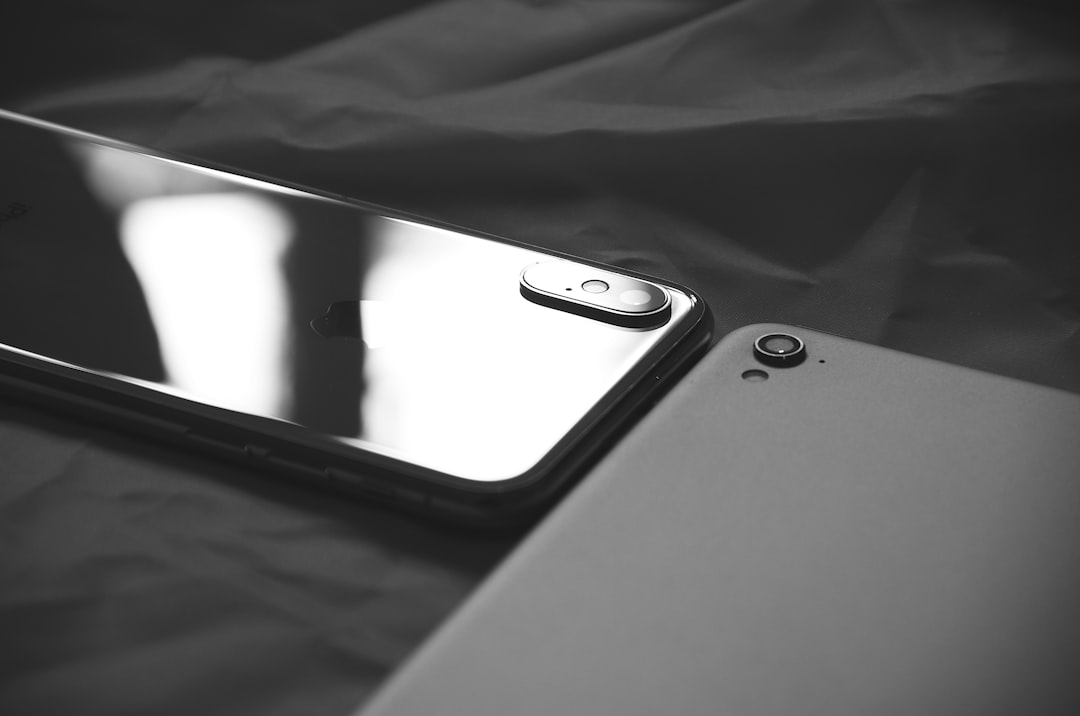
The device held so close to one’s face, a constant companion and portal to countless worlds, is more than just a communication tool. It acts as a profound reflection, silently cataloging choices, preferences, and even emotional states. Unbeknownst to many, the curated feeds, frequently used apps, and even the notification habits are shaping an evolving self – sometimes into a stranger no longer fully recognized in the mirror.
👣 The Digital Footprint’s Evolution
Every tap, swipe, and scroll leaves an indelible mark, forming a digital footprint that paints a portrait of evolving interests and priorities. The apps downloaded, the articles read, and the communities joined on social media platforms collectively build a persona. This digital self can begin to diverge from the authentic individual, driven by trends, algorithmic suggestions, or a desire to fit a certain online mold. What were once niche interests might become mainstream obsessions, or deeply held values could subtly shift under constant exposure to new ideologies. To reconnect, periodically audit your digital space: delete unused apps, unsubscribe from overwhelming newsletters, and consciously seek out content that challenges rather than merely reinforces current thinking.
🗣️ Echo Chambers and Filtered Realities
Algorithms, designed to personalize user experience, often create ‘filter bubbles’ and ‘echo chambers.’ These digital environments, while comfortable, can gradually narrow perspectives and subtly alter worldview by predominantly serving content that aligns with existing beliefs. This constant reinforcement can lead to a less nuanced understanding of the world and even an unknowingly polarized self. For instance, studies show that over 60% of social media users primarily encounter news and opinions from people who share their political views, greatly limiting exposure to diverse perspectives. To counteract this, actively seek out news sources from across the political spectrum, follow individuals with differing opinions (respectfully, of course), and engage in thoughtful discussions rather than just consuming information.
✨ The Performance of Self
Social media platforms, in particular, often foster an environment of performance, where individuals curate idealized versions of their lives. The relentless pursuit of likes, shares, and validation can lead to an identity rooted in external approval rather than internal authenticity. This constant presentation of a “best self” can create a disconnect, where the online persona feels increasingly alien from the private reality. The stranger emerging might be someone who prioritizes appearance over substance, or fleeting digital approval over genuine connection. Practicing mindful posting – asking “Why am I sharing this?” or “Does this truly represent me?” – can help bridge this gap and foster a more authentic digital presence.
🕰️ Attention Span and Present Moment
The pervasive nature of smartphones has fundamentally altered collective attention spans. Constant notifications, the lure of endless feeds, and the ability to multitask incessantly can erode the capacity for deep focus and presence in the real world. This fragmentation of attention can mean less engagement with face-to-face interactions, a diminished appreciation for quiet moments, and a constant craving for external stimulation. The person less able to simply *be* in the moment, constantly reaching for a device, is a version of self shaped by digital habits. To reclaim focus, establish screen-free zones (like dinner tables or bedrooms), schedule digital “downtime,” and try single-tasking activities such as reading a physical book or engaging in a hobby without digital interruption.
📞 Self-Reflection Through Screen Habits
| Aspect of Self | Digital Habit | Impact on You 📉 | Path to Awareness 🌱 | ||
|---|---|---|---|---|---|
| Values 💖 | What apps do you spend most time on? (e.g., news, gaming, shopping) | Reflects current priorities, potentially shifting them. | Audit app usage vs. stated values. | ||
| Connection 🤝 | How often do you initiate digital vs. in-person contact? | May indicate a preference for superficial vs. deep connection. | Schedule real-life meetups. | ||
| Mood 😔 | Do you reach for your phone when bored, anxious, or happy? | Phone can become a coping mechanism, masking underlying emotions. | Practice mindful breaks; observe urges. | ||
| Growth 🧠 | Do you consume diverse, challenging content or just familiar feeds? | Can lead to an echo chamber, limiting intellectual expansion. | Actively seek opposing viewpoints. |
###### 🌠 The reflection in your screen isn’t just an image; it’s a living canvas of your evolving self. Taking the time to observe and intentionally shape your digital habits is the first step towards ensuring the stranger you’re becoming is someone you truly want to meet.