
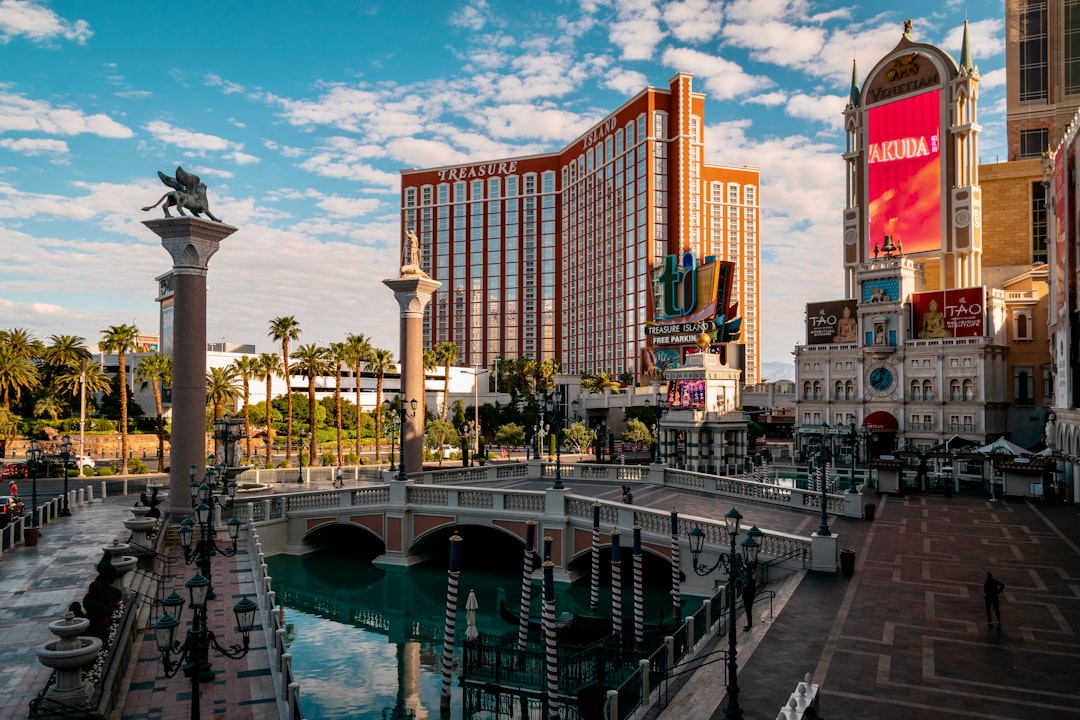
The dazzling lights and endless entertainment of Las Vegas paint a picture of boundless luxury. Yet, beneath this glittering façade lies a stark reality – a profound dependency on a dwindling resource, Lake Mead, and the Colorado River. The innovative, sometimes drastic, measures taken by this desert metropolis to sustain itself reveal a future that extends far beyond the Nevada border, impacting how communities nationwide might confront their own environmental challenges. This isn’t just a local story; it’s a blueprint for a future where water scarcity dictates our choices.
🏜️ The Mirage Behind the Oasis
The lifeblood of Las Vegas, Lake Mead, stands at historically low levels, a stark indicator of persistent drought and over-allocation of the Colorado River. This massive reservoir, formed by the Hoover Dam, supplies water not only to Southern Nevada but also to parts of Arizona, California, and Mexico. While the city consumes only a fraction of the river’s allocation, its very existence in the Mojave Desert makes its water management critical. Here’s a surprising fact: despite its image, Las Vegas recycles virtually all indoor water back into Lake Mead, treating and returning it to the system. However, outdoor water use, which evaporates and cannot be returned, remains the primary challenge, particularly the vast amounts used for landscaping.
💡 Innovative Solutions at Play
Las Vegas has become a reluctant pioneer in urban water conservation. The Southern Nevada Water Authority (SNWA) has implemented aggressive programs to reduce outdoor water consumption. One of the most impactful initiatives is the ban on “non-functional turf,” ornamental grass that serves no recreational purpose, often found in medians, commercial properties, and common areas. Property owners are incentivized to replace this thirsty turf with drought-tolerant landscaping (xeriscaping), which uses significantly less water. Furthermore, strict watering restrictions are enforced, and sophisticated leak detection systems are employed across the city’s vast network. These efforts have demonstrated that significant water savings are achievable, even in the most demanding environments.
🏡 Your Role in the Desert Dream
For residents and visitors alike, understanding and participating in water conservation is crucial. Practical tips for reducing your water footprint are simple yet effective. At home, consider replacing thirsty lawns with native plants and gravel, utilizing drip irrigation systems, and installing water-efficient fixtures. Even small changes, like taking shorter showers and ensuring dishwashers are full before running, make a difference. For visitors, be mindful of water usage in hotels; while indoor water is recycled, being conscious of consumption still promotes a culture of conservation. Report leaky sprinklers or broken pipes to property managers – every drop saved helps secure the region’s future.
📈 The Future Landscape
The relentless pursuit of water efficiency in Las Vegas offers a preview of what many other communities may face. Future growth in the region, and indeed across the American Southwest, will be inextricably linked to sustainable water management. Expect continued innovation in water recycling technologies, more stringent outdoor water restrictions, and potentially new urban designs that integrate water conservation from the ground up. The lessons learned here about balancing economic development with environmental sustainability will serve as vital guidance for other areas grappling with similar challenges in an increasingly arid world. The “hidden secret” is not just the vulnerability, but the extraordinary lengths a city must go to survive, and how those measures will inevitably shape our collective future.
| Action 🛠️ | Description 🌱 | Water Saved (Annual Avg.) 💧 | Future Impact 🌍 |
|---|---|---|---|
| Turf Replacement | Replacing lawns with drought-tolerant landscaping. | Approx. 73 gallons/sq ft/year | Preserves Lake Mead, reduces evaporation. |
| Leak Detection | Promptly repairing indoor and outdoor water leaks. | Up to 10,000 gallons/household/year | Prevents significant water waste, lowers bills. |
| Water-Efficient Fixtures | Installing low-flow showerheads, toilets, and faucets. | Up to 30% household water use | Long-term reduction in indoor water demand. |
| Drip Irrigation | Targeted watering for plants, minimizing runoff. | Up to 50% less than sprinklers | Efficient plant hydration, healthy gardens. |