
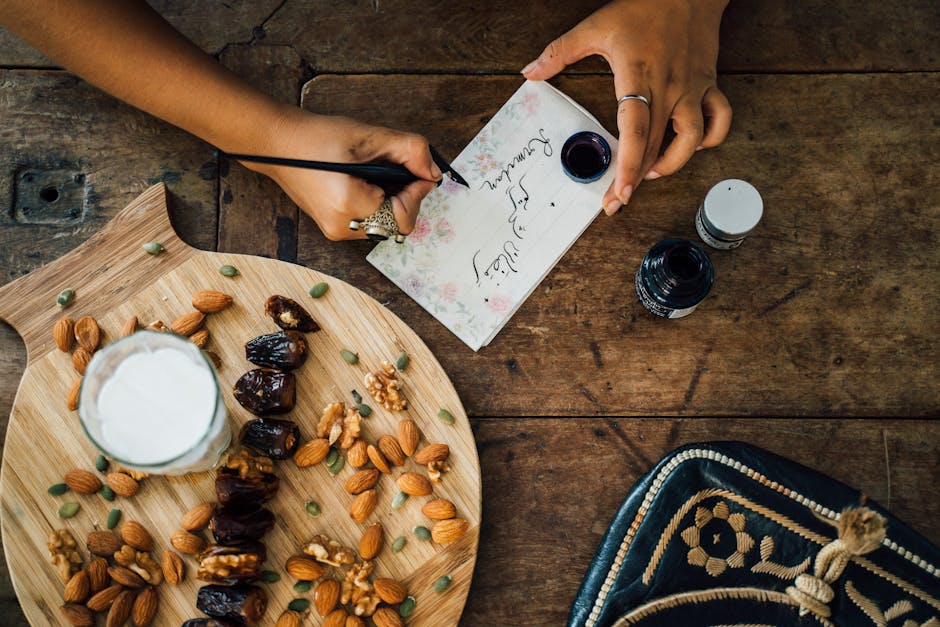
Ramadan is a transformative month for millions around the world, serving as a time for spiritual reflection, community engagement, and personal growth. However, this holy month also poses challenges to one’s relationship with food and identity. Observing fasting from dawn until sunset can provoke a range of emotions and experiences, offering an opportunity to rethink how food shapes individual and community identities.
🌙 SPIRITUAL REFLECTION
During Ramadan, fasting is not only about abstaining from food and drink; it is a time for spiritual rejuvenation. This period encourages individuals to reflect on their values and priorities, often leading to a reevaluation of one’s relationship with food. Many people experience a heightened awareness of their eating habits, prompting a reassessment of what is truly essential. This introspection can lead to a more mindful approach to food consumption, fostering a healthier relationship with eating that extends beyond Ramadan.
🥘 CULTURAL CONNECTIONS
Food plays a crucial role in cultural identity, especially during Ramadan. Traditional meals and recipes often become part of the communal aspect of breaking the fast (Iftar). Engaging with these cultural foods can serve to strengthen one’s connection to heritage and community. However, this can also be a challenge for individuals who may feel overwhelmed by social pressures to indulge. Finding a balance between honoring cultural practices and maintaining personal health goals can reshape how food is perceived, ultimately leading to a more profound identity transformation.
🌱 CHALLENGING FOOD RELATIONSHIPS
This month can prompt a range of feelings about food, from deprivation during fasting hours to indulgence during Iftar. These shifts can lead to a tumultuous relationship with food, sometimes manifesting as guilt or anxiety around eating. Understanding emotional triggers and implementing strategies to navigate these challenges is vital. One effective method is to focus on nourishing meals that provide essential nutrients, helping to diminish any guilt associated with food consumption.
💪 STRATEGIES FOR WELL-BEING
Several strategies can support a healthier relationship with food during Ramadan. Setting intentions for the month can help clarify personal goals, whether they are spiritual, health-related, or both. Meal planning is also crucial; preparing balanced meals with a focus on hydration and nutrition can prevent overeating and feelings of sluggishness. Engaging in community activities centered around food—such as cooking classes or potlucks—can also enhance a sense of belonging and positivity.
Surprisingly, research has shown that practices such as communal Iftar can lead to lower levels of stress and anxiety, highlighting the power of shared experiences during meal times. The act of breaking bread together fosters connection and support, reinforcing positive feelings about food.
🏆 RESHAPING IDENTITY
The unique experiences of Ramadan can lead to significant changes in one’s self-identity. Food becomes a medium through which spiritual, cultural, and personal aspects intertwine. By consciously reflecting on these interactions, individuals can emerge from Ramadan with a renewed sense of self and a more profound understanding of their relationship with food. This transformation can lead to lasting changes in lifestyle choices long after the month has ended.
| 🥘 | 🌙 | 🍽 | 🌱 | ||
|---|---|---|---|---|---|
| —————- | —————- | —————- | —————- | ||
| Spiritual Growth | Cultural Practices | Nourishment | Health Strategies | ||
| Mindfulness | Community Engagement | Emotional Awareness | Intentions Setting | ||
| Tradition | Connection | Balance | Meal Planning | ||
| Identity Transformation | Shared Experiences | Growth | Renewal |
🌟 The journey through Ramadan is a profound opportunity to explore and redefine food relationships and identity. Engaging with these challenges can lead to lasting positive changes, enriching personal and community lives. Embrace the transformative power of this holy month, and allow it to foster growth beyond the spiritual realm.