
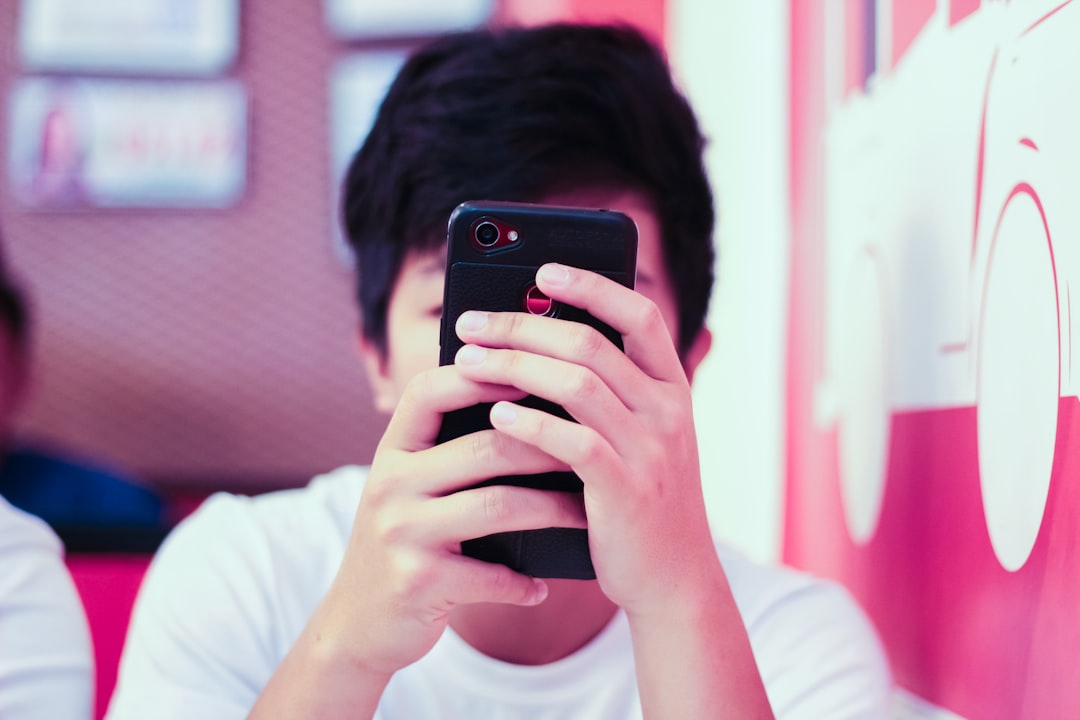
Every time your phone lights up, it’s not just a notification—it’s a signal. From the chimes you choose to the speed of your reply, the devices in our pockets are constantly broadcasting subtle cues about our personality, professionalism, and priorities. These digital habits form a “judgment” feature we rarely think about, yet others notice and interpret them instantly, shaping their perception of us in profound ways.
📵 The Silent Language of Notifications
The sounds and vibrations a phone makes in a meeting, restaurant, or quiet room speak volumes. A loud, repetitive ringtone in a focused setting can signal a lack of awareness or respect for shared space. Conversely, keeping a phone on silent or Do Not Disturb mode in important situations is often interpreted as professionalism and presence. The choice isn’t just about volume; it’s about perceived social intelligence. A surprising fact: A study by USC Marshall School of Business found that even the *presence* of a phone on a table during a conversation can reduce the perceived quality of connection and empathy between people.
⏳ The Response Time Tells a Tale
How quickly one replies to messages has become a modern social metric. An immediate reply to a non-urgent text during work hours might suggest distractibility, while a consistently delayed response to a superior or close friend can be read as disinterest. The context is king. A swift “Got it, will action this” in a work chat conveys reliability, but replying to a social meme instantly during a dinner date sends a different message. The unspoken rule is that response time should match the perceived priority of the sender and the situation.
🎨 Your Aesthetic Broadcast: Ringtones & Wallpapers
Personalization choices are a form of self-expression that others quickly assess. A default ringtone or factory wallpaper might project a utilitarian or non-technical personality. A custom, humorous ringtone reveals a playful side, while a serene nature wallpaper might suggest a preference for calm. These small details contribute to the “digital first impression” before a single word is spoken. It’s a low-stakes way personality seeps through the glass screen.
🔕 The Ultimate Power Move: Intentional Disconnection
Perhaps the most powerful signal of all is the conscious choice to disconnect. Putting the phone away in a bag during a conversation, using a focus mode while working, or having designated phone-free hours demonstrates control and intentionality. This habit is often judged very positively, as it shows respect for the present moment and the people in it. It shifts the perception from being at the mercy of the device to being its master.
The table below summarizes common phone habits and the silent judgments they may invite:
| Phone Habit | Possible Positive Judgment | Possible Negative Judgment | Quick Tip |
|---|---|---|---|
| Loud ringtone in quiet space | Hard to reach / Busy | Inconsiderate / Unaware | Use vibrate or silent in shared spaces. 🔇 |
| Very slow text replies | Focused / Busy with deep work | Disinterested / Forgetful | Set messaging app expectations in your bio. 📝 |
| Cluttered, unorganized home screen | Creative / Not overly fussy | Disorganized / Chaotic | Use folders. A clean screen projects clarity. 🗂️ |
| Phone face-up on table during talk | Expecting an urgent call | Distracted / The talk is low priority | Place it face-down or in a pocket/bag. 👥 |