
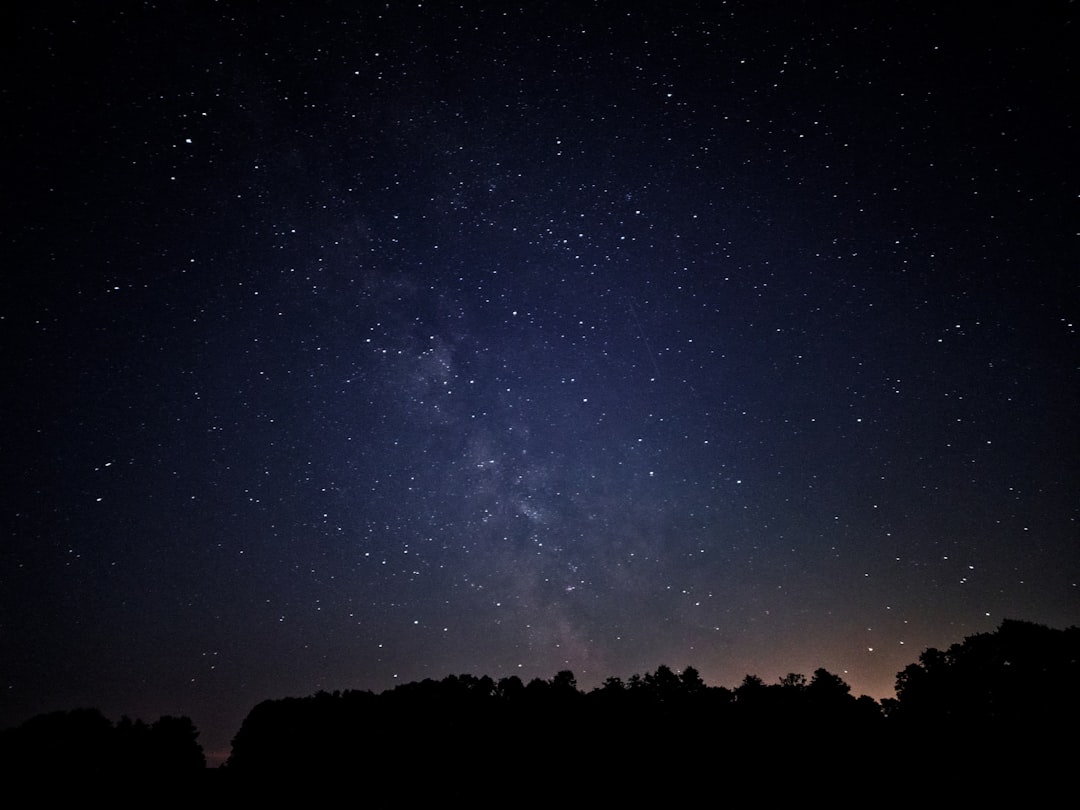
For centuries, humans have looked to the stars for guidance, inspiration, and myth. Yet, modern science suggests the cosmos might be influencing us in far more subtle, daily ways than ancient astrologers ever imagined. Beyond horoscopes, a profound celestial rhythm is quietly synchronizing with human biology and behavior, from our sleep cycles to our collective mood. This isn’t about magic; it’s about the silent, gravitational dance of our nearest celestial neighbor.
🌙 The Lunar Sleep Saboteur
The most documented celestial influence is the moon’s impact on sleep. Research has shown that in the days leading up to and during a full moon, people often experience lower sleep quality. They may take longer to fall asleep, sleep for shorter durations, and have reduced deep sleep. This is believed to be linked to our ancient sensitivity to moonlight, which could have kept our ancestors alert during brighter nights. A surprising fact: One study found that participants’ brain activity related to deep sleep decreased by 30% around the full moon, even when they were in a windowless lab.
🧠 Tides Within: Mood & Mental Cycles
The word “lunatic” stems from the Latin *luna*, reflecting an ancient belief in the moon’s power over the mind. While modern psychiatry dismisses direct causation, intriguing correlations exist. Some studies in clinical settings note slight increases in emergency room visits or psychological episodes correlating with lunar phases. The prevailing theory isn’t mystical; it’s that disrupted sleep, amplified by the lunar cycle, can exacerbate stress and emotional volatility in vulnerable individuals, creating a ripple effect on behavior.
📊 Collective Rhythms in the Digital Age
This celestial sway even extends into our digital lives. Analyses of large-scale social media data have revealed subtle shifts in language and emotional tone corresponding to lunar phases. Posts may become slightly more introspective or use different vocabulary sets at different times of the month. This points to a synchronized, low-level biological rhythm that influences how millions express themselves online, proving that even in our tech-dominated world, ancient cosmic cycles persist.
🔬 Harnessing the Celestial Clock
Understanding this rhythm can be a tool for better living. Practical tips include tracking personal sleep and mood for a few months to identify individual lunar sensitivity. Planning demanding tasks or important meetings for times when sleep is historically better can optimize performance. Furthermore, practicing extra sleep hygiene—like using blackout curtains—during the full moon period can help counteract its potential disruptive effects.
The following table summarizes key influences and strategies across the primary lunar phases:
| Phase | Emoji | Potential Influence | Practical Tip |
|---|---|---|---|
| New Moon | 🌑 | Often linked to introspection, new beginnings, and better sleep onset. | Ideal for setting intentions, starting new projects, and focusing on restful routines. |
| Waxing Moon | 🌓 | Energy and motivation may build. Sleep patterns generally stable. | Schedule important growth activities, social events, and momentum-building work. |
| Full Moon | 🌕 | Most associated with sleep disruption, heightened emotions, and social activity. | Prioritize sleep hygiene, avoid unnecessary conflict, and channel energy into creative or social pursuits. |
| Waning Moon | 🌗 | A time for release, conclusion, and processing. Sleep may improve. | Focus on completing tasks, decluttering, and reflective practices like journaling. |